Waste Recycling in London
Reliable recycling support for homes, landlords, and businesses across the capital
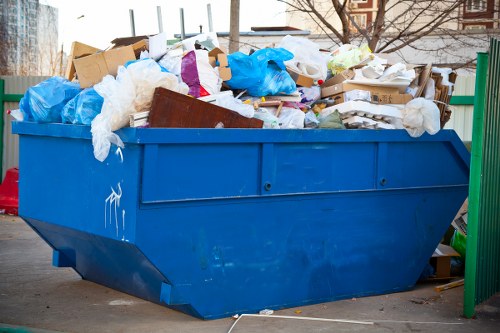
Waste recycling in London needs to be practical, flexible, and designed around the reality of city living. From basement flats in Kensington to family homes in Walthamstow, from office clearances in the City to retail refurbishments in Croydon, every property brings different access issues, waste types, and timing needs. That is why local customers look for a service that can handle recycling efficiently, responsibly, and with minimal disruption.
London produces a huge mix of recyclable materials every day, and not all of it can be handled in the same way. Cardboard, paper, plastics, timber, metal, green waste, electrical items, and renovation debris often need to be sorted, separated, and taken to the right facilities. A local recycling service helps make this process simpler for households and organisations that want to reduce landfill use while keeping their property clear and compliant.
Whether you are clearing a flat in Islington, managing a shop refit in Southwark, or dealing with construction waste in Hounslow, a well-organised waste recycling in London service can save time and reduce stress. It is especially useful where parking is limited, loading bays are tight, or collection windows are short. In a busy city, convenience and responsibility matter equally.
What waste recycling means for London customers

For many local customers, recycling is not just about separating bottles and paper at home. It can include the collection, sorting, and onward processing of a wide range of materials from residential, commercial, and light construction settings. The aim is to recover as much usable material as possible and make disposal more efficient.
In London, the term often covers mixed recyclables from offices, domestic clear-outs, hospitality venues, estate management, schools, and trade work. A good local team understands how to handle different waste streams so that recyclable items are not mixed with general rubbish unnecessarily. This can be especially important for buildings with shared bins, limited storage space, or strict waste rules.
Local knowledge makes a real difference. A team working across London is more likely to understand controlled parking zones, busy high streets, service entrances, permit requirements, and narrow streets where larger vehicles may struggle. That makes collections faster, safer, and easier to plan around your day.
Who this service is for

Waste recycling services in London are used by a wide range of customers. Some need help with one-off clearances, while others need regular collections to keep their property or workplace running smoothly. A flexible approach means the service can be adapted to different quantities and material types.
Common customers include:
- Homeowners and tenants clearing unwanted household items
- Landlords preparing flats or houses for new occupants
- Estate and block managers dealing with shared waste rooms and bulky recycling
- Offices replacing furniture, electronics, or archive materials
- Shops and hospitality venues generating packaging and refurbishment waste
- Builders, decorators, and tradespeople producing recyclable site materials
- Schools, community groups, and local organisations needing tidy, scheduled collection support
In a city with such varied property types, recycling needs can change from one job to the next. A terraced home in Hackney may involve cardboard, old shelving, and garden waste, while a commercial unit in Westminster might need help with cardboard streams, office equipment, and fit-out offcuts. The right service should be able to handle that variety without making the process complicated.
What can usually be recycled

Not every item can be recycled in the same way, but many common materials can often be separated and directed into recycling streams. A proper waste recycling service will help identify what can be recovered and what needs different handling. This keeps the process more efficient and helps reduce the amount going to landfill or incineration unnecessarily.
Typical recyclable materials may include:
- Cardboard and packaging
- Paper and office documents
- Metal items such as shelving, fixtures, and scrap metal
- Certain plastics and plastic packaging
- Wood and timber offcuts
- Glass, where suitable facilities are available
- Green waste such as branches, cuttings, and garden debris
- Small electrical items and equipment
- Clean renovation materials that can be sorted for recovery
It is important to note that some materials require special handling. Items such as fridges, freezers, batteries, fluorescent tubes, paints, chemicals, and some electrical components may not be treated as standard mixed recycling. A reputable local team should explain what is accepted and how any restricted items should be separated.
How the service works
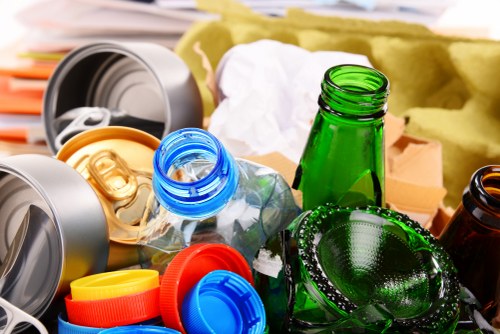
The best recycling services are simple for customers to use. In London, where time is valuable and access can be tricky, customers want a process that is straightforward from the start. A well-run service usually begins with a clear discussion of the materials, location, and collection requirements.
Typical steps may include:
- Initial enquiry – You explain the type of waste, the volume, and the collection location.
- Assessment – The team considers access, parking, loading space, and any sorting needed.
- Collection plan – A suitable time and vehicle arrangement is organised for your property or site.
- On-site collection – Materials are removed, separated where possible, and loaded safely.
- Sorting and recycling – Recyclables are sent onward to the relevant facilities.
- Completion – The area is left tidy and ready for normal use again.
This process is particularly helpful for customers who need waste recycling in London without interrupting business operations or household routines. For example, a restaurant in Soho may need early-morning collection before opening, while a flat in Clapham may require an appointment that avoids busy commuter times.
Why local recycling support matters in London
London is not a single uniform market. Waste handling in a Victorian terrace in Dulwich is very different from waste collection at a new-build apartment block in Stratford or a warehouse unit near Acton. A local service can adapt to these differences and plan around the practical realities of the capital.
Some of the most common local challenges include restricted access, shared entrances, stair-only properties, low bridges, congestion, and time-limited stopping areas. The right team will already be familiar with many of these issues and can organise collections in a way that reduces delays and avoids unnecessary disruption to neighbours or customers.
Using a local company can also make communication easier. If your waste needs change at short notice, or if you have a collection point that needs careful coordination, a nearby service is often better placed to respond quickly. That can be valuable for landlords with vacant property deadlines, businesses before reopening, or households managing a move with limited time.
Residential recycling support across the city
For homes, recycling collections are often linked to decluttering, moving, renovation, or garden maintenance. London households often store items longer than they would like because getting rid of them can feel inconvenient. A local recycling service removes that barrier by handling the collection and sorting for you.
Residential customers often request help with:
- Old furniture and flat-pack packaging
- Cardboard from deliveries
- Kitchen and bathroom replacement waste
- Loft and garage clear-outs
- Garden waste after seasonal work
- Broken household items and small appliances
- Post-move recycling from unpacking and refurbishment
In areas such as Richmond, Greenwich, Camden, Lewisham, and Barnet, property access can vary from large houses to compact flats with shared corridors. A service that understands the city’s housing mix can help avoid damage to common areas, reduce lifting stress, and keep the recycling process efficient.
Helpful for tenants and landlords
Tenants often need to clear recycling at the end of a tenancy, while landlords may need a property prepared quickly between occupiers. Recycling support can help with leftover household waste, broken items, packaging, and light bulky materials. For landlords, it also helps present a cleaner property and avoids delays caused by overflowing bins or items left behind.
Commercial waste recycling in London
Businesses across London produce a steady flow of recyclable waste. Offices, retail units, hospitality venues, studios, and workshops all generate materials that should be managed responsibly. A local recycling service can support one-off projects and recurring collections, depending on the type of operation.
Commercial recycling may involve:
- Office paper, archive boxes, and cardboard
- Packaging from stock deliveries
- Display materials from retail changes
- Furniture and fit-out offcuts
- Kitchen or hospitality packaging waste
- Electronics and obsolete equipment
- Light construction and refurbishment materials
Businesses in central locations such as Holborn, the West End, and the City often need collections outside peak hours. Other sites in areas such as Ealing, Woolwich, or Wembley may have larger service yards but still require care around busy loading areas. A local recycling team can work around these conditions to reduce business interruption.
Good fit for project-based and ongoing needs
Some companies only need recycling during a move or fit-out. Others need scheduled support to prevent cardboard or packaging from building up. In both cases, the service should be reliable, tidy, and easy to coordinate with facilities staff, contractors, or site managers.
What is included in a professional recycling service
Customers usually want to know what they get when they book recycling support. A clear service helps you plan your day and reduces the risk of misunderstandings. While the exact service may vary depending on the materials and collection site, a professional local provider will normally include a practical set of core tasks.
What is commonly included:
- Review of the waste type and collection requirements
- Advice on sorting recyclable and non-recyclable materials
- Removal from homes, offices, shops, or site locations
- Safe loading and handling by the team
- Transport to appropriate recycling or recovery facilities
- Tidy-up of the collection area after removal
- Flexible timing for access, building rules, or business hours
For customers in London, the value is often in convenience as much as recycling itself. Having someone who can manage stairs, shared entrances, narrow hallways, and time-sensitive access means less strain on your staff or household.
When to ask for extra support
If your waste includes mixed materials, unusually heavy items, or restricted items, it is best to mention this early. That allows the team to arrive prepared and helps ensure the right handling method is used on the day.
Preparation checklist before your collection
A little preparation can make a recycling collection smoother and quicker. In London, where collection windows may be tight and access may be shared with neighbours, being ready on the day helps everything run to schedule.
Before your booking, consider the following:
- Separate recyclables from general rubbish where possible.
- Keep items in one accessible location if safe to do so.
- Check whether parking or loading access is limited.
- Let the team know about stairs, lifts, or narrow hallways.
- Identify any heavy, awkward, or fragile items in advance.
- Remove personal items from boxes, desks, or storage units.
- Set aside any materials that should not be mixed with recycling.
If you live in a flat block in places such as Battersea, Peckham, or Canary Wharf, it can help to let building management know that a collection is booked. For businesses, it may also be useful to notify reception, site security, or operations staff so that access is ready when the team arrives.
Simple preparation saves time
Even small steps, such as flattening cardboard or gathering paper into boxes, can improve efficiency. That can matter when the collection is taking place during a busy workday or in a building with shared use of lifts and corridors.
Pricing factors customers should understand
Many people asking about waste recycling in London want to know what influences the cost before they book. Exact prices are usually shaped by the details of the job, not just the amount of waste. A fair quote should be based on the real collection conditions and material types involved.
Common pricing factors include:
- Volume and weight of the waste
- Type of recyclable materials involved
- Whether the load is mixed or sorted
- Access conditions such as stairs, lifts, or distance to the vehicle
- Parking restrictions and collection complexity
- Urgency or out-of-hours timing
- Any special handling needed for specific items
London collections can vary a lot from one street to another. A small job in a basement flat may take more time than a larger load with easy ground-floor access. That is why accurate information at the enquiry stage helps create a more realistic quote and a better customer experience.
Request a free quote when you are ready to compare your options, especially if you are planning a flat clearance, office move, or refurbishment project.
Areas covered across London
A local recycling service should be able to work across a broad range of London neighbourhoods, because demand is not limited to one part of the city. Customers often need collections in central, north, south, east, and west London, as well as surrounding boroughs with mixed residential and commercial areas.
Typical service areas may include:
- Central London: Westminster, Camden, Islington, Holborn, the City
- North London: Barnet, Enfield, Haringey, Tottenham, Finchley
- East London: Hackney, Tower Hamlets, Newham, Stratford, Bow
- South London: Lambeth, Southwark, Lewisham, Croydon, Wimbledon
- West London: Ealing, Hammersmith, Acton, Brent, Hounslow
- South West and riverside areas: Wandsworth, Battersea, Richmond, Greenwich
This wide coverage is useful because waste needs do not stay in one postcode. A local team that works across multiple boroughs can respond to different housing types, business districts, and collection patterns. That flexibility is especially important in London, where traffic, access, and timing can differ sharply between nearby areas.
Why choose a local company for recycling in London
Choosing a local company is about more than convenience. It often means better understanding of the city’s layout, faster response times, and a service that is more likely to fit around your schedule. When your waste collection involves narrow streets, parking challenges, or building access protocols, local experience becomes genuinely valuable.
Benefits of using a local team include:
- Better understanding of borough-specific access conditions
- More efficient planning for busy streets and restricted parking
- Flexibility for home, commercial, and site-based collections
- Practical advice on sorting and preparation
- Shorter travel distances, which can support quicker scheduling
- Clear communication around arrival, loading, and collection needs
Local businesses and residents often prefer dealing with a team that understands the day-to-day realities of the capital. That includes shared bin stores, concierge desks, permit-controlled streets, service roads, and timed loading access. A knowledgeable provider can help keep the process simple from start to finish.
Designed around city living
London properties can be challenging, but they are also highly varied. A good recycling service respects that variety and adjusts to it. Whether you are managing a busy office floor or clearing a family home, the right approach should feel organised rather than disruptive.
Common situations where customers book recycling
Many people do not think about arranging a recycling collection until a specific situation arises. In London, these situations often happen quickly because space is limited and waste can build up faster than expected. Booking support at the right time can prevent clutter, free up room, and keep a property looking tidy.
Frequent reasons for booking include:
- Moving home or ending a tenancy
- Office relocation or refurbishment
- Shop fit-out or seasonal stock changes
- After a delivery build-up of cardboard and packaging
- Garden and outdoor tidy-ups
- Student accommodation clear-outs
- Property sales, estate management, or pre-let preparation
- Trade work that produces recyclable building materials
In many of these cases, the value of the service is not just waste removal. It is also about creating usable space again, keeping the property presentable, and avoiding repeated trips to recycling centres that may be far from your location or difficult to reach with a large load.
FAQs about waste recycling in London
Can mixed recycling be collected from my property?
Yes, many collections can handle mixed recyclable materials, but it helps if items are grouped sensibly. The more clearly the load is sorted, the easier it is to direct materials into the right recovery streams.
Do I need to prepare everything before the team arrives?
Not always. Some customers sort and bundle items in advance, while others need full collection support. If you are unsure, mention your setup when you enquire so the service can be planned around your situation.
What if I live in a flat with no parking nearby?
This is very common in London. A local team can usually work around controlled parking zones, loading restrictions, or short walking distances, as long as the access details are provided in advance.
Can businesses arrange regular collections?
Yes, many offices, shops, and venues prefer scheduled recycling support to keep packaging and reusable materials under control. Regular collections can be arranged to suit operations and building access.
Are electrical items recyclable?
Some electrical items can be handled separately for recovery, but they may need specific treatment. It is always best to mention laptops, monitors, appliances, or other equipment when requesting a quote.
What happens to the materials after collection?
Collected recycling is typically taken to the appropriate facility for sorting and processing. Some materials are recovered for reuse, while others are broken down into new raw inputs, depending on the item and the facility used.
How do I know if my items are suitable?
If you are unsure about a particular material, ask before booking. A clear description or a short list of items usually helps the team advise you properly and avoid issues on collection day.
Book waste recycling support when you need a practical solution
When waste starts taking over a home, office, or site, the easiest solution is often to arrange a collection that is tailored to your space. Waste recycling in London works best when it is simple, local, and built around your real access conditions. That is what makes it suitable for busy residents, landlords, trades, and business owners alike.
Whether you need a one-off collection or recurring support, choosing a team that understands London can make the process smoother from the first enquiry through to final removal. It helps reduce disruption, save time, and ensure recyclable materials are handled appropriately.
Contact us today, request a free quote, or book your service now if you are ready to clear space and recycle responsibly. A well-planned collection can make a noticeable difference to your property, your schedule, and your peace of mind.