Commercial Waste Disposal in London
If you run a business in the capital, you already know how quickly waste can build up. Offices generate paper and packaging, shops receive daily deliveries, hospitality venues produce food waste, and construction or refurbishment projects leave behind bulky, awkward materials that need to be cleared promptly. Commercial Waste Disposal in London is not just about emptying bins; it is about keeping your workplace safe, tidy, compliant, and easy to manage in a city where space is tight and access can be challenging.
London businesses need waste removal that fits around busy trading hours, loading restrictions, narrow streets, limited parking, and building access rules. A local team can make the process easier by understanding these practical realities and planning collections around them. Whether you manage a small office in Shoreditch, a restaurant in Soho, a retail unit in Kensington, or a mixed-use property near Canary Wharf, the right waste service helps you stay on top of day-to-day operations without disruption.
Choosing a professional service also gives you confidence that rubbish is handled responsibly. From general commercial rubbish collection to segregated recycling and specialist clearance, local businesses often want a simple, reliable way to remove waste without interrupting staff, customers, or tenants. If you are looking for a flexible, dependable solution, request a free quote and arrange a service that works for your site, your schedule, and your type of waste.
Why Commercial Waste Disposal Matters for London Businesses
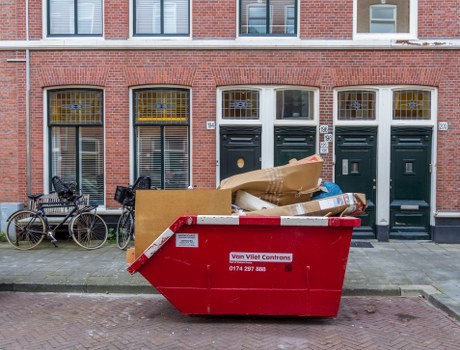
Commercial premises in London produce a wide variety of waste streams, and each one needs to be handled correctly. Offices may have confidential paper, packaging, old furniture, and electrical items. Shops often deal with cardboard, display materials, packaging bands, damaged stock, and back-of-house rubbish. Cafés, pubs, and restaurants need food waste, glass, and mixed refuse removed regularly to maintain hygiene and keep service areas clear.
In a city as dense and fast-moving as London, waste can create immediate problems if it is left unmanaged. Overflowing bins can attract pests, affect safety, and make a business look neglected. For customer-facing premises, appearance matters. For larger sites such as warehouses, contractors’ compounds, schools, and healthcare facilities, clutter can also create access issues and interfere with operations. A well-organised commercial waste disposal arrangement supports both presentation and practicality.
Compliance is another major reason businesses arrange regular disposal. Business owners and managers have a duty to ensure waste is stored, collected, and transferred appropriately. That includes separating recyclables where possible, keeping waste from blocking escape routes, and using a licensed carrier for removal. A trusted local provider helps reduce risk by making the process straightforward and by tailoring collections to the actual needs of your premises.
Services Included in Commercial Waste Collection
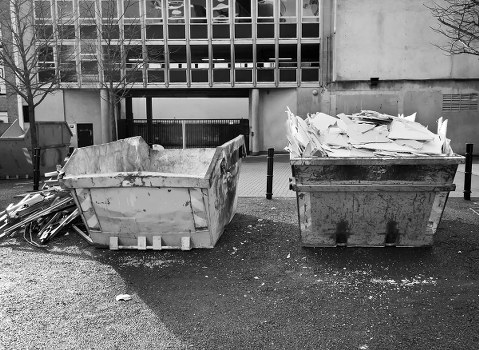
Every site is different, so commercial waste collection in London is usually arranged around the type of property, the amount of waste produced, and the timing that best suits your staff or customers. A good local service can handle one-off removals, recurring collections, or a combination of both depending on demand.
Typical waste types we can help remove
- General commercial rubbish and bagged waste
- Cardboard, paper, and packaging waste
- Office clearance items, including desks, chairs, and cabinets
- Shop fittings, shelving, and display materials
- Food waste from hospitality businesses
- Glass, cans, and mixed recyclables
- Bulky items and broken furniture
- Light refurbishment and strip-out waste
- Electrical and electronic waste
- Loose waste from storage rooms, back offices, and basements
Some businesses also need help with clearing out areas that have become difficult to manage over time. This might include stockrooms, archive spaces, communal bin stores, or plant rooms. For landlords and managing agents, a responsive waste team can support end-of-tenancy clearances, tenant voids, and post-refurbishment tidy-ups. When access is awkward or the volume is larger than expected, a local collection team can save time and reduce disruption.
Depending on the property and the waste stream, collections may include sorting, loading, removal from hard-to-reach areas, and transfer to suitable recycling or disposal facilities. If you are unsure what should be separated from general waste, it is always worth asking before collection so the team can plan the right approach.
How Commercial Waste Disposal Works in London

The process should be simple from the customer’s point of view. Most businesses want a clear, efficient service that does not interrupt trading, deliveries, or building access. That is especially important in central London, inner boroughs, and busy high streets where timing matters.
Typically, the process begins with a discussion about your site, the amount and type of waste, and how often you need collections. A restaurant with daily waste output will have very different requirements from a small design studio that needs periodic office clearance. Once the needs are clear, a suitable collection plan can be arranged. This may involve regular scheduled visits or a one-off clearance for a specific job.
On the day of collection, the team will usually assess access, load the waste safely, and remove it from the premises with minimal disruption. For many London properties, this can mean navigating basement storage, shared courtyards, service roads, loading bays, or restricted entry points. Good planning makes a huge difference, especially in areas like Westminster, Camden, Islington, Southwark, Hackney, Hammersmith, and the City where parking and access can be limited.
What customers often appreciate most
Business owners value punctuality, clear communication, and a straightforward service that gets the job done without fuss. They also appreciate flexibility, because many commercial premises need collections outside peak hours, before opening, or after closing. A practical collection plan can keep operations moving while ensuring waste is removed safely and efficiently.
Types of Businesses We Commonly Help

Commercial waste disposal in London covers a wide range of industries, and each sector has its own patterns of waste generation. A tailored approach makes the service more useful and helps businesses avoid unnecessary disruption or unnecessary handling.
Examples of premises that often need regular waste removal
- Offices and co-working spaces
- Retail units and high-street shops
- Restaurants, cafés, pubs, and bars
- Hotels and serviced accommodation
- Warehouses and storage facilities
- Property management companies and letting agents
- Schools, colleges, and training centres
- Healthcare and dental practices
- Trades, contractors, and refurbishment teams
- Estate offices and communal business centres
Offices often need a mix of cardboard disposal, paper recycling, and the removal of unwanted furniture or IT equipment. Hospitality sites may need frequent waste collections to keep kitchens and customer areas clean. Retailers often require help with packaging, damaged stock, and seasonal clearance after promotions or deliveries. Contractors may need prompt removal of rubble, timber, offcuts, packaging, and strip-out waste to keep projects on schedule.
London’s commercial property stock also includes older buildings, basement units, converted spaces, and multi-tenant developments, which can make waste management less straightforward than in newer sites with easy loading access. This is where experience with local conditions really matters. A team that understands central streets, shared access points, and borough-specific restrictions can plan the job more efficiently and reduce avoidable delays.
Why a Local London Team Is Useful

There are many reasons businesses prefer a local provider for commercial waste disposal in London. The first is practical knowledge. Traffic conditions, permit zones, one-way systems, and restricted parking all affect how a collection is carried out. A team familiar with the city can allow for these details from the start, which reduces the risk of late arrivals or wasted time.
Local service also brings flexibility. If you run a business in areas such as Paddington, Clerkenwell, Brixton, Stratford, Ealing, Greenwich, Battersea, or Fulham, your waste service should adapt to your operating hours and site layout. A local crew is often better placed to respond to urgent needs, short-notice changes, or access issues that arise on the day.
There is also a customer-service benefit. Businesses often want to speak to someone who understands the realities of working in London: narrow mews, basement storage, shared lifts, concierge arrangements, delivery bays, and building managers who control access. A local company that knows how these places work can make collections smoother and more predictable. That saves time, lowers stress, and helps your staff stay focused on their jobs.
Local knowledge often helps with
- Planning around congestion and busy roads
- Access to loading bays or service entrances
- Working around concierge or building management rules
- Shorter response times for urgent collections
- Understanding borough-based waste expectations
What Affects the Cost of Commercial Waste Disposal?
Business customers often want to know what determines pricing before they enquire. While exact costs vary by job, several common factors influence the quote. Being aware of these in advance can help you plan more effectively and choose the right level of service.
Key pricing factors usually include:
- The type of waste, such as general refuse, mixed recycling, bulky items, or specialist materials
- The total volume or weight of waste to be collected
- How easy the site is to access, including stairs, basements, lifts, and parking restrictions
- Whether the collection is one-off or ongoing
- The time required for loading and removal
- Any need for separation, sorting, or special handling
For many London businesses, access is a bigger factor than they first expect. A small waste load from a fifth-floor office with no lift can take longer to remove than a larger amount stored at ground level near a service entrance. Similarly, a premises with strict loading windows or no waiting space can require more planning. That is why a proper assessment is useful before booking.
To get the most accurate quote, it helps to share a few simple details: the type of property, the waste materials involved, how much needs to be removed, and whether there are any access restrictions. The clearer the information, the easier it is to provide a practical estimate and avoid surprises on the day.
How to Prepare for a Collection
Good preparation makes commercial waste disposal faster, safer, and more cost-effective. It also reduces the risk of delays when the team arrives, which matters in busy London locations where access windows may be limited.
Preparation checklist for businesses
- Separate recyclable items from general rubbish where possible
- Keep waste together in one agreed location if safe to do so
- Make sure access routes are clear for the collection team
- Tell staff or building management about the planned visit
- Reserve any loading bay or service area if that is required
- Identify any heavy, awkward, or fragile items in advance
- Remove personal items or confidential materials before collection
- Let the provider know about stairs, lifts, codes, or delivery procedures
For offices, it can help to designate a waste point such as a ground-floor storage room, bin store, or reception-adjacent area. For shops and restaurants, clearing back-of-house spaces ahead of time can speed up loading and reduce disruption to customers and staff. On larger commercial sites, advance communication with the facilities team or site manager can prevent last-minute issues.
If you are arranging a clear-out after relocation, refurbishment, or a change of tenant, it can be useful to walk through the space first and identify exactly what needs removing. This is especially important in older London buildings where storage areas, basements, or hidden rooms may contain more waste than expected.
Why Businesses Choose Professional Waste Removal Instead of Doing It Themselves
Some business owners first consider handling rubbish with staff or making repeated trips to a disposal site themselves. In practice, that often takes longer, uses staff time, and creates logistical headaches. For commercial premises, professional removal is usually the more efficient option.
Using a dedicated waste service means the collection is handled by people used to lifting, loading, and transporting mixed business waste safely. It also reduces the pressure on your employees, who can stay focused on serving customers, managing operations, or completing client work. For busy London businesses, time is valuable. Spending staff hours dealing with rubbish is rarely the best use of resources.
There is also the question of handling materials correctly. Some items can be recycled, some need separate treatment, and some should not be mixed with general waste. A professional team can help you make better decisions about what can be removed together and what should be separated. That can support a cleaner, tidier workplace and make your waste routine more efficient over time.
Benefits of professional commercial rubbish collection
- Less disruption to daily operations
- Safer handling of heavy or awkward items
- Better control over waste storage areas
- More efficient use of staff time
- Clearer arrangements for recurring collections
Areas Covered Across London
Commercial waste disposal needs vary across the capital, but the underlying challenges are often similar: limited space, busy roads, shared access, and a mix of property types. A local provider should be prepared to work across central, north, south, east, and west London, as well as surrounding business districts and transport-linked areas.
Common areas served include central London business zones, high streets, industrial estates, mixed-use neighbourhoods, office districts, retail centres, and redevelopment areas. That can include locations such as the West End, the Square Mile, King’s Cross, South Bank, Stratford, Croydon, Hammersmith, Ealing, and other commercial hubs across Greater London.
Different boroughs can present different collection challenges. A narrow terrace conversion in Camden may need a different approach from a warehouse on the edge of an industrial estate in East London, while a restaurant in central Westminster may depend on strict unloading times. That is why one-size-fits-all waste removal rarely works well in the capital. Local flexibility helps ensure the service matches the building, the street, and the business itself.
What to Expect from a Reliable Service
When people look for commercial waste disposal in London, they usually want a service that is straightforward, dependable, and easy to arrange. The best providers make the process as smooth as possible from the first enquiry through to collection day.
Customers usually expect clear communication, punctual arrival, careful loading, and a respectful approach to the property. They also want the team to work neatly and avoid unnecessary disruption to staff, residents, or visitors. In shared buildings or busy commercial centres, this professionalism makes a real difference.
You should also expect the service to be adapted to the waste itself. Not every collection is the same. A retail clearance, an office strip-out, and a hospitality waste pickup all need different planning. The more accurately the job is understood at the outset, the easier it is to complete quickly and safely.
Good signs when choosing a provider
- They ask useful questions about access and waste type
- They explain how the collection will work
- They can handle both one-off and repeat jobs
- They understand London property access challenges
- They offer practical advice before the visit
Frequently Asked Questions
Can you collect waste from upper floors or basements?
Yes, many commercial premises in London have storage areas, basements, or upper floors where waste is kept. Access details should be shared in advance so the team can plan the collection safely and efficiently.
Do you handle one-off office clearances as well as regular collections?
Yes. Some businesses need ongoing commercial rubbish collection, while others only need help during a relocation, refurbishment, or clearance project. Both options can usually be arranged.
What if my building has limited parking or a small loading area?
This is very common in London. The collection plan can be arranged around restricted access, short loading windows, concierge procedures, and local parking limitations. It helps to explain these details before booking.
Can you remove mixed office furniture and general rubbish together?
Often, yes, depending on the items involved. It is helpful to list the materials in advance so you can be advised on the best way to prepare them for collection.
Do I need to sort everything myself?
Not always, but separating recyclable materials where possible can make the process easier and more efficient. If you are unsure what should be grouped together, ask before the collection is booked.
How far in advance should I arrange commercial waste disposal in London?
As early as possible if the job is time-sensitive, involves a large volume, or needs special access. For routine recurring collections, it is usually best to agree a schedule that suits your business rhythm.
When You Should Book a Collection
There are several moments when arranging commercial waste disposal is especially useful. You might be preparing for a refurbishment, moving premises, clearing stock, changing tenants, or simply dealing with waste that has built up faster than usual. In a city like London, leaving it too long can quickly create access problems and clutter around the site.
If your bins are overflowing, storage spaces are becoming hard to use, or your back-of-house area is starting to feel unmanageable, it may be time to arrange a collection. The same applies if your business is scaling up and producing more waste than before. A better waste plan can prevent the problem from repeating.
For landlords, agents, facilities teams, and business owners, a timely collection can protect the appearance and usability of the premises. It also helps maintain a professional environment for staff, tenants, and customers alike. If you need a practical, dependable solution, book your service now and arrange a collection that fits your site.
Choosing the Right Commercial Waste Partner in London
Not every waste provider will be a good fit for every business. The right choice depends on your property type, the kind of waste you generate, and the level of service you need. A solid provider should understand the realities of working in London and be able to adapt to them without making the process difficult for you.
Look for a company that takes time to understand your premises, asks about access, and offers a service matched to your actual needs rather than a generic setup. This matters whether you run a small independent shop, a busy office, a hospitality venue, or a multi-floor commercial property. When the waste service is well matched to the site, everything becomes easier.
Commercial waste disposal should support your business, not interrupt it. That means collections that are reliable, sensibly planned, and handled with care. When you find the right arrangement, your premises stay cleaner, your teams stay focused, and your operation feels more organised day to day.
Ready to arrange a collection?
Contact us today to discuss your waste type, your location, and the collection frequency that suits your business. Whether you need a one-off clearance or regular commercial waste collections across London, we can help you plan the right service and request a free quote.