Bulk Waste Collection in London
Bulk waste collection in London is the practical, reliable way to clear large items and awkward loads when ordinary household waste services are not enough. Whether you are emptying a flat in Camden, clearing a family home in Wandsworth, refurbishing an office in the City, or dealing with mixed rubbish after a garden project in Ealing, having the right local team makes the job faster, safer, and far less stressful. In a city where space is tight, parking is limited, and properties range from basement flats to tall apartment blocks, a flexible collection service can save you time and reduce disruption.
People usually need this service when they have items too large, too heavy, or too many for normal disposal. That might include old furniture, mattresses, white goods, renovation debris, broken office equipment, bulky packaging, or a full room of clutter that needs removing in one visit. The best services are built around convenience: book a collection, have the waste removed from your property or kerbside, and get your space back without a long delay. If you are looking for a local solution that suits residential and commercial customers alike, this page explains what to expect and how to choose the right option.
Need space cleared quickly and responsibly? Contact us today to request a free quote or book your service now.
What bulk waste collection means for London customers
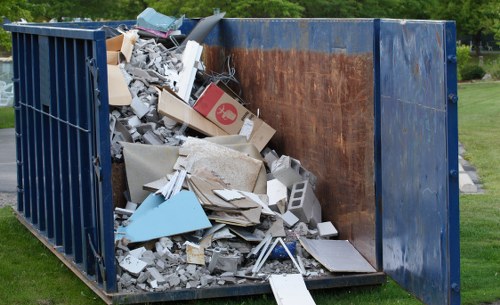
Bulk waste collection is designed for items that do not fit in regular bins and need special handling. In London, that often means navigating narrow streets, controlled parking zones, shared entrances, stairwells, and properties with limited lift access. A good local team understands these conditions and plans collections accordingly, which matters whether you live near Islington High Street, in a converted townhouse in Kensington, or in a modern block in Stratford.
For many households, the service is a straightforward answer to a one-off clearance problem. For landlords, managing agents, shops, and offices, it can be a more regular necessity after refurbishments, tenant moves, store changes, or end-of-lease clear-outs. The goal is not simply to remove waste; it is to do it in a way that is orderly, respectful of the property, and aligned with how London living and working spaces actually operate.
Bulk waste collection in London also helps when timing matters. If you are preparing for new furniture delivery, handing back a rental, opening a new business unit, or finishing a building project, delays can be costly. A local provider can often work around busy roads, school-run hours, access codes, loading restrictions, and estate rules so the job is completed with minimal disruption.
Types of waste commonly collected

Most bulk waste services handle a broad range of non-hazardous items. The exact list can vary, but customers commonly ask about the removal of large household objects, mixed rubbish, and bulky materials that are awkward to move. If you are unsure whether something can be collected, it is always better to ask in advance so the team can advise properly and avoid wasted time on the day.
Typical items include:
- Wardrobes, beds, sofas, chairs, tables, and other furniture
- Mattresses, bed frames, carpets, rugs, and underlay
- Fridges, freezers, washing machines, tumble dryers, and dishwashers
- Office desks, filing cabinets, shelving, and commercial fixtures
- Garden waste, branches, soil bags, fencing, and old outdoor furniture
- DIY and renovation waste such as timber offcuts, plasterboard, doors, tiles, and packaging
- Clearance waste from garages, lofts, basements, sheds, and storage rooms
Some collections also include mixed load removals after property changes, such as tenant turnovers, post-move clean-ups, or room refurbishments. The key is to separate out any items that may require special handling or are not accepted as part of a standard domestic or commercial collection. That way, you can plan the job properly and avoid surprises.
When a specialist approach is useful
Specialist handling is often needed for large items located upstairs, in tight hallways, or inside properties where access is difficult. London homes and businesses often have stair-only access, narrow terraces, shared courtyards, basement levels, and security doors that can make removal more complicated than it first appears. In these cases, choosing an experienced team can help protect walls, floors, lifts, and communal areas.
Why London properties often need a tailored collection service
London is not a one-size-fits-all city, and waste removal reflects that. A Victorian terrace in Peckham, a mansion block in Chelsea, a warehouse conversion in Hackney, and a retail unit in Croydon all come with different access issues and clearance needs. The same bulky sofa or stack of building waste can be easy in one property and extremely challenging in another.
Local customers also have to think about parking, permits, and building management rules. If a collection vehicle cannot stop close enough, the work takes longer and can become more disruptive. If waste has to be carried through a shared entrance or up several flights of stairs, the team needs to work carefully and efficiently to avoid inconvenience to neighbours and residents. A London-based service is used to this sort of environment and can plan around it.
There is also the issue of timing. Many customers want collections before move-out inspections, before contractors arrive, or after a busy weekend of clearing out space. In busy parts of London such as Southwark, Hammersmith, Wembley, or Greenwich, timing and access windows can be crucial. A flexible bulk waste collection service helps you stay in control of the schedule rather than trying to fit around a rigid process.
Residential and commercial use cases
Residential customers often need help with end-of-tenancy clearances, loft and basement clean-outs, furniture replacement, or post-renovation waste. Commercial customers may need ongoing or one-off removal from shops, offices, restaurants, schools, clinics, or light industrial units. In both settings, the aim is the same: remove bulky waste promptly, keep the area tidy, and make the process as straightforward as possible.
How the service usually works
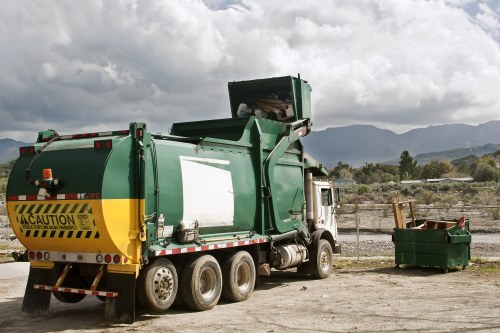
A good bulk waste removal service should feel simple from the customer’s point of view. Most people want a clear plan, a fair quote based on the actual job, and a team that turns up ready to do the work. The process is usually straightforward, but it helps to know what is involved so you can prepare properly.
- Tell the team what needs removing. Share details about the items, access, and location, whether it is a flat in Battersea, a house in Barnet, or a commercial unit in Lewisham.
- Provide photos if possible. This helps the team estimate volume, identify heavy items, and plan the right vehicle and crew size.
- Confirm access details. Mention parking restrictions, stair access, lift availability, loading bays, or any building rules that apply.
- Agree a collection time. Choose a slot that works around your household, staff, neighbours, or contractors.
- Prepare the waste. Gather items in one place if you can, or leave them where they are if they need to be removed from inside the property.
- Collection and loading. The team removes the waste, loads it safely, and leaves the area as tidy as practical once the job is done.
This process works especially well for London customers because it balances speed with practicality. It can be adapted for ground-floor collections, basement clearances, rear garden access, loading from service roads, or even carefully managed removals from upper floors. The more accurately you describe the job, the smoother the collection usually goes.
Contact us today if you want to talk through a collection before booking. A short conversation can help avoid delays and make sure the right arrangement is put in place.
What is included in a typical bulk waste collection

Customers often want to know exactly what they are paying for. While services differ, a standard bulk waste collection usually includes labour, loading, transport, and responsible disposal of the agreed items. If the waste is inside the property, the team will usually remove it from the location where it is stored, subject to access and safety conditions.
Depending on the job, the service may also include:
- Careful movement through communal areas or shared entrances
- Basic dismantling of selected items to make removal easier
- Sorting of mixed bulky waste where practical
- Handling of one-off or recurring collections for businesses
- Advice on separating items before the collection day
It is worth checking in advance what is not included so you can avoid confusion. Items with special disposal requirements, restricted materials, or unusual hazards may need separate arrangements. A clear explanation before booking helps you understand what can be collected in one visit and what may need a different solution.
Why transparency matters
Transparent service matters because London customers often have time-sensitive jobs and limited space to stage waste. You want to know how the collection is priced, what access is expected, and whether any items need to be moved to a specific point before arrival. Clear expectations help both homeowners and businesses keep the job organised.
Pricing factors to consider
Bulk waste collection is usually priced based on the nature of the load rather than a fixed one-size-fits-all figure. That is because every job is different. A small pile of broken furniture from a studio flat in Clapham is very different from a full office clearance in Holborn or a builder’s waste load from a renovation in Fulham.
Factors that commonly affect the quote include:
- Volume: how much space the items take up
- Weight: especially for heavy materials such as rubble, soil, or appliances
- Access: stairs, lifts, distance from the vehicle, or awkward entry points
- Labour: how many people are needed to complete the job safely
- Item type: furniture, mixed rubbish, electricals, or construction waste
- Timing: urgent or out-of-hours collections may require planning
- Location: parking, traffic, and loading conditions in different parts of London
Ask for a free quote with a clear description of the load. The more specific you can be, the more accurate the estimate is likely to be. Photos can help, but even a rough inventory is useful.
For many people, the real value is not just removal but the time saved. Instead of hiring a van, arranging helpers, or trying to lift awkward objects through tight spaces, you can have the work handled in one visit by a team that does this kind of job regularly.
How to avoid unnecessary extra cost
Sorting items before collection, checking access details, and separating anything that needs special disposal can make the job more efficient. If there are items you might keep, move those out of the way early. If waste is behind other furniture or in a locked room, mention it when booking so there are no delays on the day.
Preparation checklist before your collection
Preparing well can make a big difference, especially in London where access windows and parking can be tight. A few simple steps can help the team work quickly and reduce the chance of disruption to neighbours, staff, or visitors.
- List the items: write down what needs removing so nothing is missed
- Take photos: helpful for accurate quoting and planning
- Check access: identify stairs, lifts, gates, codes, or loading restrictions
- Reserve space if possible: if your building permits it, ensure the area near the property is usable
- Separate keepers from waste: avoid confusion by moving personal items aside
- Unplug appliances: if white goods are being removed, disconnect them safely in advance
- Tell neighbours or building management if needed: useful in shared properties and managed blocks
If you live in a flat, it can also help to let the building manager know that bulky items are being collected, especially if lifts, corridors, or loading areas are shared. In commercial settings, staff should know where the waste has been staged and what time the team is arriving so the process stays organised.
Book your service now if you already know what needs clearing. Preparing the waste beforehand can make the whole collection quicker and easier.
Why choose a local London company
Choosing a local provider can make a real difference in a city as complex as London. Someone familiar with the area is more likely to understand local traffic patterns, parking restrictions, access challenges, and the practical realities of collecting bulky items from different property types. That matters whether you are in a top-floor apartment near Finsbury Park, a terraced house in Brixton, or a business premises in Canary Wharf.
A local team is also better placed to respond to short-notice requests and work across different boroughs. That can be especially useful for tenants facing move-out deadlines, landlords needing fast turnaround between occupants, or businesses that need rooms cleared before a fit-out starts. When time is tight, local knowledge helps the day run smoothly.
Another benefit is accountability. Customers often want a provider that understands the expectations of London homes, estates, and commercial premises. Clean workmanship, polite communication, careful lifting, and respect for shared spaces are all part of a service people notice immediately. A local company that handles bulk rubbish collection regularly is more likely to be comfortable with these demands.
What real customers usually value most
- Simple booking and clear communication
- Flexible arrival times that suit busy days
- Experience with flats, terraces, offices, and shops
- Efficient removal without unnecessary mess
- Knowledge of London access and parking realities
Areas covered across London
Bulk waste collection can be arranged across a wide range of London neighbourhoods and boroughs, from central areas to outer districts. Customers commonly need help in places such as Westminster, Camden, Kensington and Chelsea, Hackney, Tower Hamlets, Southwark, Lambeth, Haringey, Ealing, Brent, Newham, Waltham Forest, Richmond, and Croydon, among many others.
Collections are also frequently booked around residential streets, estate blocks, business parks, high streets, industrial estates, and mixed-use developments. Whether you are near a station, on a busy arterial road, or tucked away on a narrow side street, the job can usually be arranged to suit the property and the load.
Because London is so varied, customers often need a service that can adapt to the location rather than forcing the job into a fixed routine. That is one reason bulk waste collection in London is best handled by a team that understands local working conditions and can plan each collection with access, safety, and timing in mind.
Examples of common booking situations
Examples include: a one-bedroom flat needing a sofa and mattress removed after replacement furniture arrives; a shop clearing packaging and display fixtures after a refurbishment; a family home removing broken wardrobes and garden waste before decorators start; or an office arranging an end-of-lease clearance before returning the unit. Each of these situations calls for a practical, reliable collection rather than a long DIY effort.
Frequently asked questions
How much notice do I need to give?
That depends on availability and the type of collection, but many customers prefer to book as soon as they know the waste needs removing. If your deadline is near, mention it early so the team can advise on the best option.
Can bulky items be collected from inside my property?
Yes, in many cases. Collections can often be arranged from inside flats, houses, offices, or commercial premises, provided access is safe and clearly explained in advance. If the waste is on an upper floor, in a basement, or in a shared area, mention that when you enquire.
Do I need to move everything to the pavement?
Not necessarily. Some customers prefer to leave items ready at the front, while others need the team to remove waste from inside. The right approach depends on the property, the access, and what has been agreed at booking.
What if I have mixed items?
Mixed loads are common. Furniture, packaging, and other bulky rubbish can often be collected together if the items are suitable for the service. If you also have anything that may require a different disposal method, ask for advice before the collection day.
Can businesses use bulk waste collection too?
Yes. Offices, retail units, landlords, letting agents, hospitality venues, and contractors often use the service for one-off or recurring waste removal. It is a practical way to clear space without disrupting operations for longer than necessary.
What should I do if I am not sure whether an item is accepted?
If you are unsure about a particular item, describe it as clearly as you can when requesting a quote. A short list and a few photos usually help determine whether it can be included in the collection or whether it needs separate arrangements.
What makes this service useful for busy London customers
London customers often have limited time, limited space, and a strong need for predictable service. That is especially true in shared buildings where hallways must stay clear, in commercial properties where operations cannot stop for long, and in family homes where everyday life continues around the collection. A well-organised bulk waste removal service solves a real problem without creating another one.
It is also useful because waste tends to accumulate at the worst possible moment. A property sale, a tenancy change, a new delivery, a refit, or a seasonal clear-out can suddenly reveal that there is far more to remove than expected. Instead of struggling with van hire, lifting, and disposal logistics, you can arrange a collection that fits around the rest of your week.
For many local customers, the biggest benefit is peace of mind. Once the waste is booked in, there is a clear plan for removal, and the property can be used properly again. Whether you are preparing a flat for new occupants, clearing an office, or making room in a garage or spare room, that regained space can make an immediate difference.
Ready to clear bulky waste? Request a free quote today and arrange a collection that works for your London property.
Final thoughts for local customers
If you need bulk waste collection in London, the best service is one that understands the city, respects your property, and handles the job without fuss. From residential furniture clearances to commercial office removals and mixed bulky rubbish, the right local team can take the pressure off and make a difficult task much easier.
Look for a provider that is clear about what can be collected, flexible about access, and practical about parking and building constraints. Make sure you share as much detail as possible when enquiring, especially if the waste is upstairs, in a basement, behind locked doors, or spread across multiple rooms. A well-prepared collection is usually faster, smoother, and better value for everyone involved.
If you are ready to free up space, reduce clutter, and deal with unwanted bulky items properly, contact us today, request a free quote, or book your service now. A straightforward collection can make a big difference to your home, business, or project timeline.