Recycling and Rubbish in London
If you need help with recycling and rubbish in London, you are likely looking for something practical, local, and easy to arrange. Whether you are clearing a flat in Islington, tidying a family home in Wimbledon, managing a shop in Stratford, or dealing with post-refurbishment waste in Clapham, the same problems come up again and again: too much rubbish, not enough time, limited access, and uncertainty about what can be recycled, what needs separate handling, and how to get everything removed without disrupting the day.
London properties create their own challenges. Flats above shops, basement conversions, mansion blocks, terraced homes with narrow front gardens, office buildings with loading restrictions, and busy high streets all make waste removal feel more complicated than it should be. That is why a local service matters. A team that understands borough rules, parking pressures, lift access, permit zones, and how quickly waste can build up in city homes and businesses can make the whole process much simpler.
From mixed household rubbish to bulky items, cardboard, garden waste, office clear-outs, and renovation debris, the right service helps keep things moving. It can also support better recycling outcomes by separating materials correctly and reducing what ends up in landfill. If you are comparing options, looking for a one-off collection, or planning repeat rubbish removal for a property or business, this page explains what is included, how the service works, what affects pricing, and how to prepare.
Local Recycling and Rubbish Services Across London
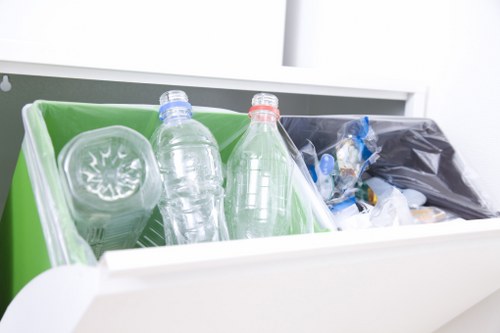
London is a city of constant turnover. Tenants move, offices change layout, landlords refresh properties, shops clear stock rooms, and households accumulate items that simply do not fit in a normal bin collection. A local recycling and rubbish collection service is designed to handle these real situations efficiently and responsibly.
Unlike a one-size-fits-all approach, local waste removal takes into account the different needs of residential and commercial customers. A one-bedroom flat in Hackney may need a quick sofa and bag collection. A restaurant in Soho may need regular removal of packaging and mixed waste. A building site in Greenwich may need rubble and timber cleared after works. Each job needs the right vehicle, the right handling, and a plan for sorting materials properly.
For many customers, the biggest value is time. Instead of hiring a skip that sits outside for days, you can arrange a collection when you need it. This is especially useful where parking is tight, access is awkward, or neighbours would rather avoid a skip blocking the road. A professional local team can often load directly from inside the property, saving you the heavy lifting and the extra disruption.
Why London Properties Need a Flexible Waste Solution
London homes and commercial spaces are rarely straightforward. A collection in Camden might involve a third-floor walk-up with no lift. A mews property in Kensington may have restricted access through a shared courtyard. An office in Canary Wharf may require timed entry. A café in Peckham may have limited back-of-house storage and needs waste removed quickly before service hours begin. These are the everyday realities that make a flexible rubbish service so valuable.
Parking and access are often the deciding factor. Many streets across the city are controlled by permits, loading bays, or short-stay restrictions. If you are trying to move heavy items yourself, the process can become stressful and time-consuming. A local team understands how to work within those constraints and can plan a collection around access, traffic, and building rules.
Another reason customers search for recycling and rubbish in London is responsibility. Sorting recyclable material correctly is not always easy when you are dealing with mixed household waste, old furniture, renovation leftovers, and packaging from a move. A knowledgeable service can separate suitable items for recycling and manage disposal in a way that aligns with local expectations and environmental care.
Common situations we help with
- Household rubbish during a move, declutter, or end-of-tenancy clear-out
- Bulky furniture such as sofas, wardrobes, mattresses, and tables
- Office furniture, paper waste, shelving, and archive clearances
- Garden waste from small London gardens, courtyards, and communal outdoor areas
- DIY and refurbishment waste including wood, plasterboard, tiles, and packaging
- Retail waste, stockroom clearances, and shop fit-out debris
These services are designed to reduce hassle. Rather than making multiple trips to a household recycling centre or trying to fit awkward items into a car, customers can arrange removal in one visit. That is particularly helpful for busy families, landlords between tenancies, facilities teams, and business owners who need space cleared quickly.
What Happens to Your Waste?
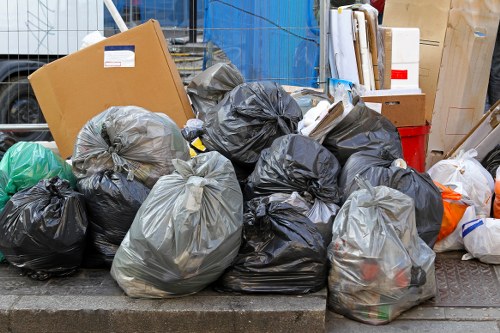
Many customers want to know what happens after collection, especially when they are sorting through a mix of old household items, recyclables, and general rubbish. A good local waste service should handle materials with care and separate them where possible. That may include reusable items, recyclable metals, cardboard, wood, plastics, green waste, and other common streams.
Not every item can go in the same container. Some materials need special handling, and certain items may need separate disposal depending on their composition. For example, electricals, fridges, mattresses, and some construction materials can require specific treatment. A responsible service helps you avoid guesswork by identifying what can be collected, what should be separated, and what needs extra attention.
This matters for London customers because space is limited and waste builds up fast. If you are clearing a property in Battersea, Brixton, Ealing, or Bow, you may have several different types of material in one room. A trained team can sort as they load, making the process smoother while helping more waste move toward appropriate recycling routes rather than simple disposal.
Typical items that may be separated for recycling
- Cardboard and paper from deliveries, moves, or office use
- Metal items such as shelving, bed frames, and fixtures
- Timber and untreated wood from clear-outs or DIY work
- Green waste from garden maintenance
- Some plastics and packaging materials
- Electrical equipment where collection conditions allow
Sorting waste at the point of collection can save time later and improves the overall handling of the load. It also gives customers confidence that their rubbish is being managed in a structured way rather than simply removed and forgotten about.
How the Service Works
Most customers want a straightforward process. You should not have to spend hours working out complicated arrangements just to remove a few bags of rubbish or a collection of old items. A local team usually aims to make the job simple from the start.
In many cases, the process begins with describing what needs to go. That might include the type of waste, the quantity, whether the items are in a basement or upper floor, and any access limits. This helps determine the right size of team and vehicle. For larger or mixed loads, pictures can be helpful. For smaller clearances, a brief description is often enough to plan the collection.
On the day, the team arrives, reviews the waste, and removes it from the property or designated pickup point. Where appropriate, items are sorted into different waste streams. The aim is to complete the job with minimal disruption to you, your household, staff, or customers.
What a typical collection may include
- Assessment of access and volume
- Loading of general rubbish, recyclables, or bulky items
- Separation of suitable materials for recycling
- Removal from inside the property, garden, office, or yard where possible
- Responsible disposal and processing after collection
This is especially useful for customers who need a fast turnaround. If you have a tenancy ending, an inspection approaching, a refurbishment deadline, or a business reopening, a simple and well-organised collection can make a real difference.
Useful for both one-off and recurring needs
Some customers only need help once. Others need regular collections for a business, rental portfolio, community building, or site. A reliable local provider should be able to support both types of need, whether that means a single visit or repeat rubbish removal at planned intervals.
Why Choose a Local Company for Recycling and Rubbish in London?

Choosing a local company is not just about convenience; it is about understanding the city. London is not a place where waste removal can be treated as a simple drop-off job. Streets vary, borough rules differ, and buildings present all kinds of access issues. A local team is more likely to know how to work around these practical barriers without wasting your time.
Local knowledge matters in places like Fulham, Shoreditch, Hammersmith, Dulwich, and Walthamstow. Each area has its own mix of housing types and traffic patterns. Some streets are easy for larger vehicles, while others require careful scheduling, permit awareness, or a smaller collection approach. A team that works across London every day is better placed to handle those realities.
There is also a customer service benefit. Local companies often respond more quickly, communicate clearly, and understand the urgency behind many collections. That may be a landlord trying to clear a flat before new tenants arrive, a shop owner facing a back-room overflow, or a homeowner needing to create space before decorators begin.
Advantages customers often value
- Flexible collections tailored to the property and waste type
- Better handling of London access and parking constraints
- Less lifting for the customer
- Support for recycling and responsible disposal
- Suitable for homes, offices, retail units, and managed properties
- Useful for urgent or same-week clearances where availability allows
For many customers, the main reason to book is peace of mind. Knowing that the waste will be taken away properly, with attention to sorting and site conditions, makes the whole task feel less overwhelming.
What Is Included in a Waste Collection?
The exact scope can vary depending on the job, but customers usually want to know what they can expect before they book. A clear service should explain what is included and where the limits may be. That helps you prepare and avoids confusion on the day.
In general, a recycling and rubbish collection may include loading, transport, and disposal of the agreed waste. If the load contains a mix of materials, items may be separated where possible. The team may also help remove items from inside the property, which is especially valuable in London flats and houses where moving large objects downstairs is difficult.
For businesses, the service may also include clearance of stockroom waste, office fixtures, packaging, and end-of-use equipment. For households, it may involve unwanted furniture, bagged rubbish, appliances, loft clutter, garage contents, or garden debris. The key is to match the service to the actual job rather than forcing everything into a generic category.
Examples of included support
- Collection from inside the property where access allows
- Handling of mixed household or business waste
- Removal of bulky items and awkward loads
- Segregation of recyclable material where possible
- Clear communication about what can and cannot be taken
If you are unsure whether your items can be collected, it is always better to ask before the visit. That way the team can advise on the most suitable arrangement and avoid delays.
Pricing Factors: What Affects the Cost?

People often ask how waste collection is priced. While exact prices vary, there are a few common factors that usually affect the final cost. Understanding them helps you request a more accurate quote and choose the right service for your needs.
The biggest factor is usually the amount and type of waste. A few bin bags of general rubbish will be different from a full garage clearance or a load containing heavy construction debris. Heavier or more awkward items may require more labour and specialist handling. Access also matters: a ground-floor pickup in Greenwich is usually easier than carrying furniture down several flights in a narrow staircase in Kilburn.
Distance, parking, congestion, waiting time, and the need for additional labour can also influence the overall arrangement. For commercial jobs, repeat collections, out-of-hours work, or access arrangements within business premises may play a role. A professional local team should explain the main cost factors clearly so you can decide what works best for your property or business.
Questions that help with a more accurate quote
- What type of waste do you have?
- How much needs to be removed?
- Is the waste inside, outside, upstairs, or in a basement?
- Are there any parking or access restrictions?
- Do you need a one-off visit or recurring collections?
Requesting a free quote is often the quickest way to understand your options. It also helps you compare like with like, especially if you are balancing speed, convenience, and the need for recycling support.
Preparing for Collection: Simple Checklist
A little preparation can make your rubbish removal smoother and faster. You do not need to do all the work yourself, but organising the waste in advance can help the team complete the collection more efficiently. This is particularly helpful in busy London streets where access time may be limited.
Start by identifying what you want removed and separating anything you want to keep. If possible, place smaller items together and make sure pathways are clear. In flats and shared buildings, it can help to check building rules around loading areas, lifts, or communal corridors before the visit. For commercial premises, staff may need to be informed so the waste area is accessible on the day.
If the waste includes mixed materials, it helps to group similar items where possible. For instance, cardboard can be stacked together, office paper can be bagged separately, and bulky furniture can be placed near the exit if safe to do so. The more organised the pickup, the quicker the job usually goes.
Preparation checklist
- Confirm what should be removed and what should stay
- Clear access routes where possible
- Check for lifts, stair access, and any building restrictions
- Separate obvious recyclables if you want them identified more easily
- Arrange parking or access permissions where needed
- Tell household members or staff about the collection time
Good preparation is especially useful when dealing with landlords, managing agents, or office staff who need the space back quickly.
Residential Recycling and Rubbish Removal

Homeowners, tenants, and landlords across London regularly need help with rubbish that has built up over time. It may be the result of a move, a renovation, a clear-out before sale, or simply a lack of space. In flats and terraces especially, bulky waste can become an obstacle quickly. A professional service helps remove it without turning your day into a series of lifting trips and landfill runs.
Common residential jobs include loft clearances, garage clearances, shed clear-outs, garden waste removal, mattress disposal, and the removal of old furniture. In homes with narrow halls or stairs, a local team is particularly valuable because the waste can often be removed carefully without damage to walls, floors, or communal areas.
Landlords and letting agents also benefit from reliable rubbish removal. Between tenancies, there is often a need to clear left-behind furniture, bagged waste, broken items, and general clutter quickly so cleaning or maintenance can begin. The ability to arrange a prompt collection is a major advantage when time between tenancies is limited.
Residential property types commonly served
- Purpose-built flats and apartment blocks
- Victorian and Edwardian terraces
- Basement and loft conversions
- Shared houses and HMOs
- New-build apartments with access controls
When customers search for recycling and rubbish in London, they are often looking for a service that can fit around real life at home. That means being careful, polite, and efficient while removing the stress of having too much to deal with on your own.
Commercial and Trade Waste Support
Businesses in London generate a wide mix of waste, and not all of it fits neatly into standard bins or scheduled collections. Offices need old desks and filing waste removed. Retail premises need packaging and display items cleared. Hospitality sites need consistent handling of back-of-house rubbish. Trades and refurbishment teams need a dependable way to remove debris so the next stage of work can continue.
For commercial customers, speed and reliability are usually the priority. Waste that sits around too long can create safety issues, reduce usable space, and affect day-to-day operations. A local rubbish collection service can provide practical support for one-off clearances, refurbishments, shop re-fit projects, and recurring removal needs.
Commercial waste also needs careful sorting. Cardboard, office paper, fixtures, wood, metals, and general waste may need different handling. Working with a team that understands these categories can make the process more efficient and better suited to business requirements.
Examples of commercial collections
- Office decluttering and furniture removal
- Shop clearances and stockroom waste
- Hospitality packaging and back-of-house rubbish
- Light trade waste from decorating or refurbishment
- Site clearances after internal works
For businesses, a well-timed collection can help maintain a tidy, usable workspace. If you are planning a clear-out, book your service now and arrange removal around your operations rather than the other way around.
Areas Covered in and Around London
London is large, varied, and constantly changing, so customers often want to know whether their area can be served. Local rubbish and recycling services commonly support central, inner, and outer London locations, including residential streets, commercial districts, and mixed-use neighbourhoods.
This may include areas such as Westminster, Camden, Islington, Kensington and Chelsea, Hammersmith and Fulham, Southwark, Lambeth, Hackney, Tower Hamlets, Greenwich, Lewisham, Wandsworth, Brent, Ealing, Hounslow, Richmond, Barnet, Bromley, Croydon, Harrow, and many surrounding districts. Nearby towns and suburbs may also be covered depending on access and scheduling.
Because each area has different housing stock and road layouts, local knowledge is an advantage. A basement flat near a busy high street, a warehouse unit in an industrial estate, and a family home on a quieter residential road all present different collection conditions. Working across the city means the team can plan for these differences more effectively.
Why local area knowledge helps
- Better handling of permits and restricted parking zones
- More efficient loading in busy neighbourhoods
- Understanding of flats, estates, and older properties
- Faster response to urgent clearances where possible
Frequently Asked Questions
Customers often have similar questions before booking. Here are some of the most common ones, answered in a straightforward way.
Can you collect mixed rubbish and recycling together?
Yes, mixed loads are common. The team can usually sort materials during collection where possible, separating recyclable items from general waste.
Do I need to move everything outside first?
Not always. In many cases, items can be removed from inside the property if access is safe and clear. This is especially helpful for heavy furniture or bulky items in flats and houses with stairs.
What if I live in a flat with no lift?
That is a common London scenario. It is helpful to mention stair access in advance so the collection can be planned properly.
Can businesses arrange regular collections?
Yes. Many commercial customers prefer repeat collections for office waste, retail packaging, or ongoing site clearances.
What types of waste are not suitable for a standard collection?
Some items need special handling because of their size, weight, or material. It is always best to check in advance if your load includes unusual, hazardous, or specialist items.
How do I get started?
Simply describe the waste you need removed, where it is located, and any access issues. From there, you can request a free quote and arrange a convenient collection time.
When to Book Your Service
There is no perfect time to deal with rubbish if the space is already causing pressure. The best time is usually before the clutter turns into a bigger problem. If you are preparing for a move, expecting new tenants, planning decoration, or trying to regain use of a room, arranging collection early can save stress later.
For businesses, booking in advance is often the smartest option, especially if the waste removal needs to happen outside regular trading hours or around delivery windows. For households, a prompt pickup can help you reclaim space, reduce mess, and make it easier to finish the next task on your list.
Contact us today to request a free quote, discuss your waste, and arrange a collection that suits your schedule. If you need practical help with recycling and rubbish in London, a local service can make the process far more manageable from start to finish.
Final Thoughts
Rubbish removal in London is never just about taking bags away. It is about working around access, traffic, property layouts, and the real needs of households and businesses. It is about separating recyclable materials where possible, clearing space quickly, and making sure waste is handled responsibly.
Whether you are in a compact flat in Soho, a family house in Chiswick, a shared property in Leyton, or a commercial unit near London Bridge, a local collection service can save time and reduce hassle. The combination of flexible scheduling, practical loading support, and local knowledge makes a real difference.
If you are ready to move forward, book your service now or request a free quote and get the space back under control with a collection plan that suits your property, your timetable, and your waste type.
Frequently Asked Questions
The best approach is usually a licensed, professional collection service that sorts items for reuse, recycling, and responsible disposal at the point of collection. Experienced teams use suitable loading equipment, protective gear, and waste separation methods to reduce handling risks and improve recycling outcomes. This is a practical choice for homes and businesses that want a fast, tidy, and compliant service. Contact our team for a quick quote.
Trusted companies follow clear safety procedures, use trained staff, and work under the right waste carrier permissions and local compliance rules. They should explain what happens to your rubbish, where it goes, and how it is sorted. A professional provider will also carry appropriate insurance to protect customers and staff. That level of transparency helps you choose a service you can rely on. Contact our team for a quick quote.
Professional teams often use heavy-duty vans, wheeled bins, sack trucks, lifting straps, gloves, and protective clothing to move waste safely and efficiently. For larger clearances, they may also use trolleys, containment bags, and loading tools to separate recyclables from general rubbish. The right equipment helps prevent damage, improves speed, and supports safer working practices. If you want an affordable, well-organized service, contact our team for a quick quote.
Yes, a licensed service is the safer and more trustworthy option because it should follow legal waste handling requirements and keep proper records. Unlicensed collectors may dump waste illegally, which can create fines and environmental harm. Choosing a licensed provider also gives you more confidence in how your rubbish is sorted, transported, and disposed of. For a transparent and ethical service, contact our team for a quick quote.
Look for recognition from respected industry bodies, as well as clear evidence of staff training and professional standards. Accreditations can show that the company follows best practice for waste handling, customer service, and environmental responsibility. A strong provider should be open about its credentials and happy to explain them in plain language. That makes it easier to choose a trusted team with a proven track record. Contact our team for a quick quote.
Ask whether the company has public liability insurance, waste carrier registration, and any relevant compliance certifications. A reputable business should be willing to confirm these details without hesitation. This matters because it shows the company is operating legally and taking responsibility for customer safety and property protection. If you want peace of mind from a reliable local provider, contact our team for a quick quote.
The best companies aim to divert as much waste as possible from landfill by separating recyclables, reusable items, and general rubbish. A responsible provider should be able to explain its recycling process and environmental priorities clearly. While exact recycling rates vary by material and local facilities, transparency about diversion efforts is a strong sign of good practice. For an environmentally responsible service, contact our team for a quick quote.
Start by comparing licensed local providers that offer clear pricing, itemized quotes, and no hidden fees. The most affordable option is not always the cheapest upfront; it is the one that delivers safe handling, reliable service, and proper disposal at a fair price. Look for strong customer reviews and years of proven service. For a quick, transparent estimate, contact our team for a quick quote.
You should expect punctual arrival, polite communication, safe lifting practices, and efficient loading. A professional team will assess the waste, separate recyclable materials where possible, and leave the area tidy once the job is complete. They should also answer questions clearly and explain any items that need special handling. That kind of service builds trust and makes the whole process easier. Contact our team for a quick quote.
Companies with many years of service often have a more proven track record, stronger local knowledge, and better systems for handling different waste types. Longevity can be a useful sign of customer trust, consistent standards, and reliable results. It also suggests the business has handled a wide range of jobs safely and professionally. If experience matters to you, contact our team for a quick quote.
Yes, many professional teams handle everything from home clearances to office, retail, and construction waste, as long as the materials fall within their licensed service scope. A trusted provider should separate waste correctly, protect sensitive items, and follow the right disposal routes for each job type. This helps keep businesses compliant and households stress-free. For a flexible and ethical service, contact our team for a quick quote.
A trustworthy service is clear about pricing, licensing, insurance, recycling practices, and what happens to your waste after collection. It should also have real customer feedback, a proven track record, and a helpful team that answers questions honestly. When a company is open about safety, affordability, and environmental responsibility, it is usually a better choice. If you want a dependable local option, contact our team for a quick quote.
Rubbish Collection
If you need help with recycling and rubbish in London, you are likely looking for something practical, local, and easy to arrange. Whether you are clearing a flat in Islington,