Commercial Waste Collection in London
Reliable waste services for London businesses
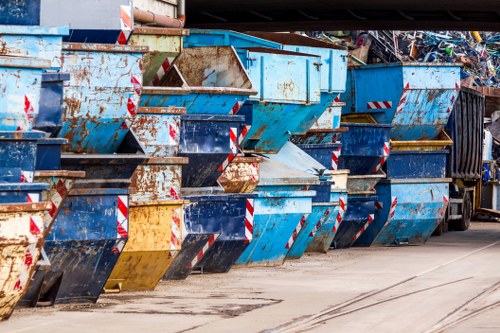
If you run a business in the capital, you already know that waste management is never just a background task. It affects hygiene, customer impressions, compliance, staff efficiency, and the day-to-day running of your premises. Commercial Waste Collection in London needs to be dependable, flexible, and suited to the way local businesses actually operate. From office blocks in the City to restaurants in Soho, workshops in South London, and retail units in West London, every property has different waste patterns and access challenges.
A good commercial collection service should make disposal feel straightforward. That means scheduled pickups, clear bin arrangements, and a team that understands how to work around loading bays, shared yards, tight streets, peak business hours, and permit-restricted roads. For busy London companies, the right service can help keep premises tidy and reduce the stress that comes with overflowing waste, missed collections, or unsuitable containers.
Whether you are managing a single site or multiple locations, local support matters. London commercial waste collection is often more effective when the provider knows the boroughs, traffic patterns, and property types involved. That local knowledge can make collection times more practical, reduce disruption, and help businesses stay organised.
What commercial waste collection covers
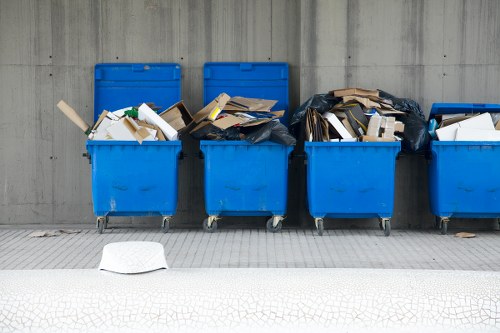
Commercial waste collection is designed for non-domestic properties that produce regular waste as part of their operations. This includes offices, shops, hospitality venues, warehouses, schools, clinics, gyms, salons, landlords, managed buildings, and industrial premises. The service can be arranged for general waste, recycling, and other business refuse streams depending on the nature of the site.
In London, the needs of a small café in Camden are very different from those of a corporate office near Canary Wharf or a multi-tenant property in Kensington. A strong service should adapt to those differences rather than offering a one-size-fits-all arrangement. That may involve weekly or more frequent collections, different bin sizes, separate recycling containers, or tailored support for higher-volume operations.
Typical commercial waste services can include mixed refuse collection, paper and card recycling, food waste removal, glass recycling for hospitality customers, and support for bulky waste generated by refits, stock changes, or office clearances. The exact mix depends on the business type and the layout of the premises.
Why London businesses need a local collection partner

London is not a single uniform market. It is a city of narrow terraces, modern developments, basement venues, high-rise offices, shared courtyards, and busy high streets. These conditions create challenges that a remote or inflexible provider may struggle with. A local team is more likely to understand how to handle restricted access, timed unloading, and the practical realities of working in central and inner London.
For many businesses, commercial waste collection in London is about more than bin emptying. It is about keeping a premises presentable for customers, avoiding unpleasant odours, staying on top of capacity, and making sure waste is removed at a time that works for the business. That becomes especially important in areas with high footfall such as Westminster, Shoreditch, Brixton, Stratford, Holborn, and Southbank.
A local provider can also be a better fit for properties with shared access arrangements, concierge-controlled buildings, or limited kerbside space. In those situations, the collection process needs to be carefully timed and clearly planned. Businesses benefit from a team that knows how London sites operate and can adapt to those conditions without creating extra disruption.
Who uses commercial waste collection services?
Many different types of customers rely on business waste removal across the city. Some need a straightforward weekly bin collection, while others need multiple waste streams managed across one or more properties. Common customers include:
- Offices and co-working spaces
- Retail shops and shopping units
- Restaurants, cafés, pubs, and bars
- Hotels and serviced apartments
- Warehouses, light industrial sites, and trade premises
- Schools, colleges, and training facilities
- Medical, dental, and care-related premises
- Landlords, managing agents, and block managers
- Gyms, salons, and leisure businesses
Each of these sites creates different waste volumes and disposal needs. A restaurant may need regular food waste removal and recycling support, while an office may need secure handling of paper, cardboard, and general rubbish. Landlords and managing agents often need a stable collection schedule that works across multiple occupiers and common areas.
For business owners and facilities managers, the benefit of using a dedicated provider is simple: less mess, less hassle, and a more controlled waste routine that suits the property and the working day.
What is usually included in the service?
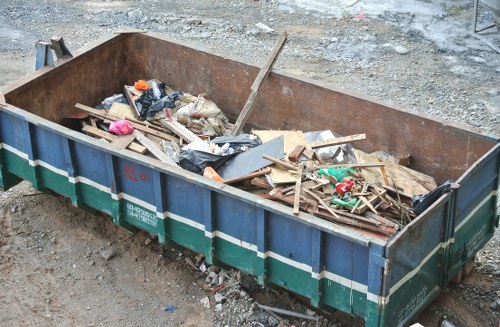
When arranging commercial waste collection, customers usually want clarity on what is actually included. A well-run service should be practical and predictable, with enough flexibility to support the real needs of your premises. While specific arrangements vary, most customers will expect the following:
- Scheduled waste collections on agreed days
- Collection of general commercial refuse
- Recycling support for paper, card, plastics, cans, or mixed dry recyclables where suitable
- Food waste collection for hospitality and catering businesses
- Bin provision or container guidance based on waste volume
- Support for sites with access restrictions or shared waste areas
- Clear service routines for day-to-day operations
- Helpful advice on separating waste streams where needed
Some customers also need extra support during busy periods, refurbishments, stock take, or seasonal trading peaks. For example, a retail store in Oxford Street may require more frequent collections during holiday periods, while a pub in South London may generate more glass and food waste at weekends. Flexible service planning helps avoid overspill and keeps the site in better condition.
It is always worth asking what can be tailored to your property. The right arrangement often depends on how much waste you produce, what type of waste it is, and how easy it is to access the collection point.
How the collection process works
A simple process designed for busy premises
Most businesses prefer a waste service that is easy to set up and easy to maintain. The process usually starts with understanding the site, the waste types, and the collection frequency that makes sense for your operation. Once the arrangement is agreed, collections are scheduled and the waste is removed on a regular basis.
The usual steps are:
- Review the business type, location, and waste output
- Agree the most suitable collection frequency and container type
- Set collection days and access requirements
- Start regular service visits
- Adjust the arrangement if waste levels change
In a city like London, the details matter. Is the bin store in a rear alley? Is there a locked courtyard? Is access shared with residents? Is there only a short loading window outside a busy restaurant? These questions affect the service setup and help avoid missed pickups or site disruption.
Book your service now if you want a collection routine that is better matched to your operating hours and property layout.
London access, parking, and site challenges

One of the biggest reasons local businesses look for a London-based waste service is access. Many commercial properties are in locations where parking is limited, roads are narrow, or loading is only possible at certain times. That is common in central areas like the West End, the City, and parts of inner boroughs, but it also applies to local high streets and mixed-use estates across the wider city.
Properties may need to deal with basement storage, stepped access, shared service yards, controlled entry systems, or collection points that are not immediately visible from the street. A provider with experience in these conditions is better placed to plan sensible collection routines and work efficiently once on site.
For some businesses, the challenge is not just moving waste out, but doing it without disrupting customers, residents, or staff. That is especially relevant for hotels, restaurants, medical practices, and offices in busy buildings. A proper commercial waste arrangement can help reduce congestion, keep entrances clear, and make the whole site look more professional.
Why businesses choose commercial waste collection over ad hoc disposal
Some business owners begin by handling waste themselves or asking staff to deal with it in small loads. That can work for a short period, but it often becomes inefficient as the company grows. Ad hoc disposal may take up staff time, create storage problems, and cause waste to build up in the wrong place. It can also make it harder to maintain cleanliness and consistency.
Using a dedicated commercial waste collection in London service provides a more organised approach. Waste leaves the site on a schedule, staff know what goes where, and containers are managed in a way that suits the property. For customer-facing businesses, that can improve first impressions. For back-of-house teams, it can reduce daily frustration and help keep circulation areas clear.
There is also a practical compliance benefit. Commercial premises often generate waste streams that need to be handled with care and separated where appropriate. A structured collection service helps businesses keep on top of that responsibility without needing to manage every detail themselves.
Common types of commercial waste in London
Different industries produce different waste, and a good provider should be able to accommodate that. Common examples include:
- General waste from day-to-day operations
- Cardboard and paper from deliveries, packaging, and office use
- Food waste from hospitality, catering, and food prep businesses
- Glass from pubs, bars, restaurants, and hotels
- Mixed dry recycling where suitable for the site
- Bulky waste from refurbishments, fit-outs, or clear-outs
Some sites produce waste in predictable patterns, while others vary depending on season, trading volume, or occupancy. A retailer in a major shopping district may have heavier packaging waste after deliveries, while a professional office may create more paper and confidential waste handling needs. The more accurately the waste stream is understood, the better the service can be organised.
If your premises produce more than one type of waste, it is worth asking how each stream can be separated and collected in a way that suits the site.
What affects the price of commercial waste collection?
Key factors customers should expect to influence costs
While exact prices vary, customers usually want to know what drives the overall cost of a waste collection arrangement. Pricing depends on several practical factors rather than one fixed formula. Understanding these helps businesses compare options properly and avoid paying for a service that does not fit their needs.
Common pricing factors include:
- The amount of waste generated
- The frequency of collections required
- The type of waste being collected
- The size and number of containers needed
- The ease of access to the collection point
- The location of the premises within London
- Any special handling or separation needs
For example, a site with straightforward ground-floor access and moderate waste output may be easier to service than a building with multiple levels, limited lift access, or a shared bin store. Likewise, a hospitality venue with regular food and glass waste may need a different arrangement from a standard office.
Request a free quote if you want a service that reflects your actual site conditions rather than a generic arrangement.
How to prepare your business for collection
Most customers do not need to do anything complicated to get ready, but a little preparation can make collections smoother and help the team work efficiently. Good preparation is especially useful in London, where access windows can be tight and shared space may be limited.
A practical checklist might include:
- Make sure bins or containers are clearly placed in the agreed collection area
- Keep access routes free from pallets, stock, or obstructions
- Ensure gates, doors, or entry systems are available at collection times
- Separate recycling and general waste where your arrangement requires it
- Keep lids closed where possible to prevent overflow and pests
- Inform staff where waste should be placed and what should not go in each container
- Review waste levels regularly if your business activity changes
These small steps help avoid unnecessary delays and make the whole process easier for everyone involved. They are especially useful for businesses in shared premises or busy commercial districts where space is limited.
Why choose a local London company?
A local provider brings practical advantages that matter to real businesses. London is large, congested, and constantly changing. Road closures, delivery restrictions, event traffic, and borough-specific access conditions can all affect service delivery. A local team is more likely to plan around these realities and keep collections on track.
There is also the benefit of responsiveness. If your trading pattern changes, your waste output increases, or your site layout is altered, a nearby provider can usually adapt more easily. That flexibility is valuable for shops taking on seasonal stock, restaurants changing menus, offices expanding, or property managers dealing with new tenants.
Choosing a local company for commercial waste collection in London can also improve communication. When you are dealing with a service that understands the borough, the property type, and the pace of the area, it tends to feel much more straightforward. That is important for business owners who need practical solutions, not complications.
Areas covered across London
Serving central, inner, and outer boroughs
Commercial premises across London have varied waste needs, and services are commonly arranged for a wide range of districts. Coverage may include central commercial zones, residential-commercial mixed streets, business parks, industrial estates, and retail hubs in many parts of the city.
Examples of areas businesses often ask about include:
- Central London areas such as Westminster, the City, Holborn, and the West End
- West London areas such as Hammersmith, Fulham, Kensington, and Ealing
- North London areas such as Camden, Islington, Haringey, and Brent
- East London areas such as Tower Hamlets, Hackney, Newham, and Stratford
- South London areas such as Lambeth, Southwark, Wandsworth, and Croydon
Different boroughs can bring different access conditions, bin-store layouts, and collection time constraints. That is why it helps to work with a team that can handle everything from busy high streets to quieter commercial estates and mixed-use developments.
If you manage several sites across the capital, a consistent collection arrangement across different locations can save time and make waste management easier to coordinate.
What customers should look for in a waste provider
Choosing a commercial collection service is not only about removing waste. It is about reliability, suitability, and whether the service fits your daily operations. Before booking, it helps to ask a few practical questions about how the collection will work and what support is available.
A good provider should be able to explain:
- What waste types they can collect
- How often collections can be arranged
- How access issues are handled
- What container sizes or bin options are available
- How service changes can be made if your needs grow
- How recycling is supported at your site
Trust is built through clarity. If a provider is open about what is included, what affects pricing, and how the collection will be managed on site, it is usually much easier to build a long-term arrangement that works.
For busy London businesses, that peace of mind can be just as important as the collection itself.
Frequently asked questions
How often can collections be arranged?
Collection frequency depends on your waste output and the type of business you run. Some premises need daily or several-times-a-week support, while others only need a weekly or fortnightly schedule. The best arrangement is the one that prevents overflow and keeps the site manageable.
Can you handle mixed-use buildings?
Yes, many London properties include a mix of commercial and residential users. These sites often need careful planning so that waste is collected without disturbing residents, tenants, or customers. Shared access and bin-store management are especially important in these settings.
What if my business is in a restricted-access area?
That is very common in London. Narrow roads, controlled entry, basement storage, and timed loading bays are all part of the local landscape. A collection plan can usually be adapted to suit these conditions.
Can collections support recycling goals?
Yes. Many businesses want to reduce general waste and improve recycling. Depending on the setup, separate containers or mixed recycling options may be available to help with that.
Do I need to prepare the waste before collection?
Usually the main requirement is to place waste in the right container and keep access clear. If your service includes sorting or separation, staff should be shown what goes where so the process stays consistent.
Practical benefits for local businesses
Commercial waste services should solve problems, not create them. A well-organised arrangement can improve hygiene, reduce clutter, support better recycling habits, and keep staff focused on work rather than waste handling. For customer-facing businesses, it can also improve presentation and create a cleaner environment around entrances, service yards, and shared facilities.
London companies often work in space-limited environments, where every square metre matters. Waste that is removed on time leaves more room for storage, delivery handling, and day-to-day operations. That can be a meaningful benefit for independent retailers, hospitality venues, offices, and building managers alike.
It is also worth remembering that a cleaner waste area can help with pest prevention, odour control, and general site tidiness. These are small things that become important when customers, tenants, or staff use the premises every day.
Ready to arrange commercial waste collection in London?
Speak to a local team when you need a practical service
If your business needs a better waste solution, now is the right time to review your setup. Whether you operate from a single retail unit, a busy hospitality venue, a managed office, or a multi-site portfolio, the right collection plan can make a noticeable difference to how your premises run.
Local businesses often look for a service that is dependable, flexible, and easy to fit around normal operations. That is exactly why Commercial Waste Collection in London should be arranged with the realities of the city in mind: access, parking, building layout, collection windows, and the demands of a busy trading environment.
Contact us today to discuss your needs, request a free quote, or book your service now if you are ready to put a more organised collection plan in place.