Business Waste Removal in London
If you run a business in London, waste can build up quickly. One busy trading day, a refit, a stock clear-out, or simply the normal rhythm of a workplace can leave you with bags, boxes, packaging, old furniture, broken fixtures, or mixed commercial rubbish that needs to go. Business waste removal in London is designed to handle that pressure in a practical, flexible way, so your premises stay clear, presentable, and easier to manage.
London businesses work in a wide range of settings: compact offices in central districts, retail units on high streets, cafés and restaurants in busy neighbourhoods, workshops in industrial estates, shared spaces in converted buildings, and larger commercial premises with regular waste output. Each one has different access issues, storage limits, collection needs, and operating hours. That is why a local, reliable team matters. You need a service that understands loading restrictions, permit concerns, narrow roads, basement access, lift access, and the realities of doing business in a city that never really stops.
Whether you need a one-off commercial clear-out or ongoing collection support, the right waste removal service helps you save time, keep things tidy, and deal with waste responsibly. It also makes it easier to stay organised when staff are busy, customers are coming in and out, and there is little spare room for clutter. Request a free quote when you are ready, and choose a service that works around your day rather than disrupting it.
Why London Businesses Need a Flexible Waste Removal Service

Business waste is rarely simple. In a city like London, it can include paper, cardboard, office furniture, shelving, packaging, old stock, shop fittings, catering waste, and mixed junk from a refurbishment. Different premises produce different waste streams, and many businesses cannot rely on a one-size-fits-all solution. A practical collection service can remove waste that is too much for your regular bins, too bulky for your staff to move, or too urgent to leave sitting around.
Many commercial properties in London also face space limitations. Back rooms are often small, storage areas fill up fast, and service yards can be shared or unavailable. In some areas, parking close to the building is difficult. In others, there may be time restrictions, congestion concerns, or access only through loading bays, side streets, or internal corridors. These are not minor details; they shape how business waste removal needs to be arranged. A local team is usually better placed to plan around them.
For many customers, the main priority is keeping the workplace safe and usable. Overflowing waste can block fire exits, create trip hazards, attract pests, and make an otherwise professional space look neglected. Business waste removal in London supports day-to-day operations by taking away the clutter before it becomes a bigger problem. That applies just as much to a small independent shop in a neighbourhood parade as it does to a large office near the City or a hospitality venue in a busy West End area.
Who Uses Commercial Waste Removal Services?
Commercial waste removal is used by a wide mix of London customers. Offices often need help clearing old desks, chairs, filing cabinets, IT packaging, and redundant equipment. Retail businesses may need packaging removal, stock room clearances, display stand disposal, and clearance after seasonal changes. Restaurants, cafés, and takeaways often need efficient removal of cardboard, packaging, broken appliances, and unwanted fixtures. Each type of business has its own schedule and waste profile.
Landlords, property managers, letting agents, and facility teams also use these services regularly. A vacant office, a former shop unit, a serviced apartment block, or a mixed-use building can generate waste after tenants leave, before a new tenant moves in, or during maintenance work. In London, these situations often need quick turnaround because space is valuable and access windows can be short. Having a dependable local service means the site can be reset more quickly and handed back in better condition.
Trades and contractors are another important group. Builders, decorators, fit-out teams, plumbers, electricians, and refurbishment crews often need a reliable waste clearance option when working in tight urban spaces. A site may produce plasterboard, timber offcuts, broken fixtures, packaging, flooring scraps, and other material that needs to be removed promptly. In those cases, commercial waste removal is not just about tidiness; it helps keep the project moving and reduces the chance of delays.
What a Business Waste Collection Service Can Remove
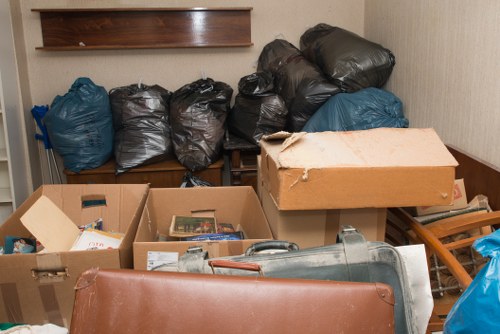
A good service should be able to deal with a wide range of non-hazardous commercial waste. This typically includes everyday business clutter as well as bulkier items that ordinary bins cannot take. Depending on the property and the nature of the work, removal may cover:
- Office furniture such as desks, chairs, cabinets, shelving, and reception items
- Retail waste including packaging, stock room contents, display units, and damaged fixtures
- Cardboard, paper, pallets, and general commercial rubbish
- Kitchen and hospitality waste such as broken appliances, counters, and non-food refuse
- Refurbishment waste from shopfits, office moves, and interior updates
- IT and equipment clearance items, subject to the type of material and handling requirements
- Mixed business junk from storage rooms, basements, lofts, and back-of-house areas
Some businesses need a single load removed after a clear-out. Others need recurring support to keep waste under control throughout the week or month. The best option depends on how much waste you generate, how quickly it builds up, and how easy it is to move items from your premises to the collection point. If your team is short on time or your premises are hard to access, a fully managed collection is usually the most efficient choice.
It is also worth separating regular commercial rubbish from specialist waste. Certain items may need specific handling, especially if they are hazardous, electrical, or subject to separate regulations. A responsible provider should make it clear what they can take, what needs separate arrangement, and how to prepare items so the collection is smooth and compliant.
How the Service Works
The process should feel simple from the first enquiry to the final sweep-up. Most businesses want a straightforward arrangement that fits around opening hours, staff schedules, and customer flow. That is especially true in London, where there may be limited space outside, restricted loading times, or busy streets that make long delays impractical. A well-organised collection can be planned to reduce disruption and keep your site moving.
Typically, the service starts with a discussion about what needs removing, where the items are located, and how much there is. This helps determine the right vehicle size, staffing, and timing. If access is difficult, it is useful to mention steps, lifts, underground areas, locked courtyards, or narrow entrances early on. That gives the team a clearer idea of how to prepare and avoids surprises on the day.
On collection day, the team arrives, reviews the waste, and removes it from the property or agreed loading point. In many cases, items are taken from inside the building, which is helpful for offices, shops, and hospitality premises that cannot spare staff to shift heavy objects. Once the load is removed, the area is left tidy so you can get back to work quickly. Book your service now if you need a prompt and practical solution for your business premises.
What Is Included in a Business Waste Removal Appointment?

Customers often want to know exactly what they are getting. While each job is different, a professional business waste removal appointment usually includes clear communication, collection at an agreed time, labour to lift and remove items, loading the waste, and responsible disposal. For many customers, that is the main value: one service that takes care of the hard work from start to finish.
Depending on the property and the job type, the appointment may also include handling waste from awkward areas such as basements, upper floors, service rooms, or rear access points. That matters in London, where many buildings are older, multi-storey, or converted from other uses. If you are in a Victorian office, a basement café store room, a managed block, or a retail unit above street level, moving bulky waste safely can be a challenge. A local team should be prepared for that.
In addition to removal, many customers value the final tidy-up. Sweeping a loading area, clearing fragments, and making sure the space is left presentable can make a real difference, especially when the collection is happening before a client visit, handover, inspection, or opening time. The service should be practical, respectful, and efficient, with minimal interruption to your business operations.
London-Specific Challenges That Affect Waste Removal
Access, parking, and operating hours
London creates a set of challenges that are different from those in smaller towns or suburban areas. Parking may be limited, loading bays may be shared, and some streets may be heavily trafficked at certain times of day. For business owners, this means waste removal often needs to be carefully planned. If a service does not understand the local environment, collections can become slow, awkward, or disruptive.
Some premises have restrictions on when work can take place, especially in mixed-use buildings, residential conversions, or locations near schools, hospitals, and busy transport routes. Others need waste removed outside customer-facing hours. Evening, early morning, and off-peak collections can be particularly useful. A local provider with experience across London is more likely to plan around these realities rather than treating them as exceptions.
There is also the issue of building type. London includes modern office blocks, older terraces, warehouse units, basement premises, and high-street retail spaces, often all on the same road. Many have narrow doorways, internal stairs, or awkward corners. A good service anticipates these details, brings the right equipment, and plans manpower accordingly. That can save time and reduce the risk of damage to your property.
Why local knowledge matters
Local knowledge is valuable because it helps the service fit the city, not fight it. Teams familiar with London understand the practical realities of the boroughs, traffic, building layouts, and access points. Whether your business is in Camden, Westminster, Islington, Southwark, Hackney, Kensington and Chelsea, Lambeth, Tower Hamlets, Hammersmith and Fulham, or beyond, local experience can make the collection smoother.
Why Choose a Local Company for Business Waste Removal in London?
Speed, flexibility, and practical support
Choosing a local company can make a noticeable difference. A team based in or around London is better positioned to respond quickly, work around urban access issues, and understand the timing pressures faced by commercial customers. That is especially useful when a workplace is busy, a refurbishment is underway, or a clearance must be completed before the next trading day.
Local services are also often more flexible when it comes to collection size and timing. You may only need a partial load removed, or you may want to clear a single room, storage area, or front-of-house space. A nearby team can often accommodate those smaller but urgent jobs, which larger and less local providers may not prioritise. For many businesses, that flexibility is as important as the removal itself.
Another benefit is communication. It is easier to explain access conditions, unloading points, and timing needs when the team knows the area and the type of buildings involved. If your premises are in a pedestrianised area, near a busy station, or on a street with limited stopping space, a local provider is usually better prepared. That practical understanding can reduce disruption and help the whole appointment run more smoothly.
What customers usually look for
- A simple booking process
- Clear explanation of what can be removed
- Flexible timing around business hours
- Support with heavy or awkward items
- Reliable handling of waste from offices, shops, and commercial premises
Pricing Factors: What Affects the Cost?
Business waste removal pricing is usually based on a few practical factors rather than one fixed rate. That means the size of the load, the type of material, the time needed on site, and the level of access all play a part. A smaller office clear-out with easy ground-floor access will usually be simpler than removing bulky items from a basement in a busy part of central London. The more accurately the job is described, the more accurate the quote can be.
Other factors may include how much labour is needed, whether items must be carried up or down stairs, and whether the collection needs to be arranged at a particular time. For commercial customers, it is also common for the price to reflect the nature of the waste stream. Mixed waste, furniture, packaging, and heavier items can affect how the collection is planned. The key point is that you should know what is included before the job begins.
It is sensible to request a quote with as much detail as possible. Mention the premises type, approximate volume, access limitations, and whether there are large or heavy pieces. If you are in a shared building or managed property, check whether any access rules apply. That helps avoid delays and makes it easier for the provider to give you a realistic estimate. Contact us today to arrange a quote that reflects your actual requirements.
How to Prepare for a Business Waste Collection
Good preparation makes the appointment faster and more efficient. Even if the service includes labour to move waste, a little organisation beforehand can save time and help the team work safely. In busy London premises, preparation is especially important because access windows may be limited and staff may need to keep working while the collection happens.
Start by identifying exactly what needs to go. Separate the waste into rough categories if possible: furniture, cardboard, packaging, general rubbish, and any items that require special attention. If some items are staying and others are going, mark them clearly. This is particularly useful in offices, storage rooms, and retail stock areas where there can be a lot of mixed material in a small space.
Then make sure access is as straightforward as possible. Unlock doors, check lift availability, clear a route to the collection point, and let staff know the appointment window. If the waste is in a basement, rear yard, or upper floor, it helps to mention that in advance. A short checklist can prevent avoidable delays and reduce disruption to trading.
Preparation checklist
- Identify the items to be removed
- Separate waste from items that are staying
- Check access routes, lifts, and stairwells
- Inform staff or building management if needed
- Move fragile or confidential materials away from the collection area
- Make sure any parking, loading, or entry instructions are clear
Which Areas of London Are Covered?
Business waste removal is needed across the capital, from central commercial districts to local high streets and industrial areas. The strongest local services are usually able to cover a wide spread of boroughs and business zones, helping customers wherever they operate. That includes office-heavy areas, retail centres, hospitality streets, and mixed-use neighbourhoods where commercial properties sit alongside homes and transport links.
Areas commonly served may include Central London, North London, South London, East London, and West London, along with surrounding business districts and boroughs. Customers in places such as the City, Westminster, Camden, Islington, Hackney, Tower Hamlets, Southwark, Lambeth, Greenwich, Wandsworth, Hammersmith, Fulham, Ealing, Brent, Richmond, and nearby locations often need waste collection that is timed around traffic, loading, and access constraints. A flexible service should be able to adapt to the setting rather than forcing the setting to fit the service.
If your premises are in a busy shopping street, a business park, an industrial estate, a converted building, or a shared office space, local coverage can make a real difference. It means the team is more likely to understand local restrictions, parking realities, and the best way to complete the job with minimal interruption. That practical knowledge is one of the main reasons businesses choose a nearby provider instead of a general, one-size-fits-all option.
Why Businesses Use a Waste Removal Service Instead of Doing It Themselves
Some businesses initially consider moving waste internally, but this can become time-consuming and inefficient. Staff may not have the right equipment, the right vehicle, or enough time to move bulky waste safely. In a city like London, self-removal can also mean dealing with parking, loading, and disposal logistics that are harder than they first appear. Once you add up the effort, it often becomes clear that a professional collection is the simpler route.
Using a waste removal service can also reduce strain on your team. Moving heavy furniture, lifting awkward items, and dealing with messy storage areas are not good uses of staff time, especially when they have customer-facing or operational responsibilities. It is usually better to keep your staff focused on the business while a dedicated team handles the waste. That can be especially important during refurbishments, relocations, seasonal stock changes, or after a tenant change.
There is also a consistency benefit. Regular collections can stop waste from accumulating in the first place. If your business produces waste every week, or if you have periodic spikes due to deliveries, trading patterns, or project work, a scheduled service can keep your space under control. For many companies, that level of reliability is what makes business waste removal in London worth arranging.
Situations Where a Commercial Clearance Is Especially Useful
There are many moments when a business needs more than standard bin collection. A clear-out might be required after an office move, before a lease handover, during a fit-out, after a refurbishment, or when a storage area is overflowing. Retailers often need help after seasonal changes, while hospitality businesses may need removals after equipment replacement or layout changes. These are all practical, real-world reasons to use a dedicated service.
Commercial clearance is also useful when a property has been unused for a while. Empty offices, closed shops, and returned units can contain a surprising amount of left-behind material. Old furniture, broken fixtures, packaging, and accumulated rubbish often need to be removed before the space can be reused. In London, where turnover can be fast and expectations for presentation are high, clearing that waste quickly can be an important part of getting the property back into productive use.
Another common situation is the post-project clean-up. After building works, decorating, or a shop refit, there is often a final layer of debris, packaging, and unwanted materials to remove. Even when the main contractor has finished, the site may still need a proper waste clearance so it is ready for staff, tenants, customers, or inspection. A local team can step in at the right time and finish the job properly.
What Makes a Good Waste Removal Partner?
When choosing a provider, look for more than just collection capacity. A good partner communicates clearly, turns up when expected, handles items carefully, and understands the practical needs of commercial premises. You want a team that can work efficiently without creating extra disruption. That is particularly important in London, where schedules are tight and every square metre of space matters.
Responsiveness is also important. Businesses often need waste removed because they are under pressure: a deadline, an inspection, a move, a delivery, or a customer-facing event. A provider that can respond promptly, explain the process clearly, and adapt to your site conditions offers real value. If your requirements change on the day, it helps to have a team that can think practically and keep the job moving.
Finally, a good partner should be focused on responsible disposal and sensible handling. Customers want to know that waste is being dealt with properly, not just taken away. For many businesses, this is part of maintaining a professional reputation and keeping operations clean and organised. When you request a quote, make sure you understand what happens to the waste after collection and what types of material are accepted.
Frequently Asked Questions
Do you collect waste from offices and shops?
Yes. Office clearances, retail waste removal, storage room clean-outs, and front-of-house collections are all common. The exact approach depends on the amount of waste, access, and the type of premises.
Can waste be removed from upper floors or basements?
Often, yes. Many London properties have awkward access, and the service can usually be arranged to include stairs, lifts, and internal routes if discussed in advance. It is always best to mention this when requesting a quote.
Is it suitable for one-off jobs?
Absolutely. Some businesses need a single collection after a refit, move, or clear-out. Others want recurring support. Both can be arranged depending on your needs.
What if our site has limited parking?
That is a common issue in London. A local team can often plan around nearby stopping points, loading access, and time restrictions. The more detail you provide, the easier it is to organise the visit.
Can you help with bulky items?
Yes, bulky commercial waste such as desks, chairs, cabinets, shelving, and other large items is often a major part of the service. If anything is especially heavy or awkward, mention it beforehand so the right team and equipment can be prepared.
How do I get started?
Simply outline what needs removing, where it is located, and when you would like the work done. Then request a free quote and choose a time that suits your business schedule. If you are ready, book your service now and get the space cleared without unnecessary hassle.
Make Your Workplace Easier to Manage
Waste should not slow your business down. Whether you are dealing with a single office room, a busy retail stock area, a hospitality back room, or a larger commercial clearance, the right service can make the process straightforward. In London, where access can be tight and time is always valuable, a local business waste removal team offers practical support that fits real working conditions.
If your premises are becoming cluttered, if you are planning a move or refurbishment, or if you simply need waste taken away without disrupting trading, there is a sensible way forward. A professional collection helps free up space, improve safety, and keep your property in better shape. Contact us today to discuss your requirements, ask for a free quote, and arrange a service that suits your business.
From central offices and high-street shops to workshops, cafés, and managed properties across the capital, business waste removal in London should be easy to organise, efficient on the day, and tailored to the way your premises actually work. When you are ready to clear the clutter, choose a service that understands the city and your business needs.