Recycling and Sustainability at Rubbish Collection
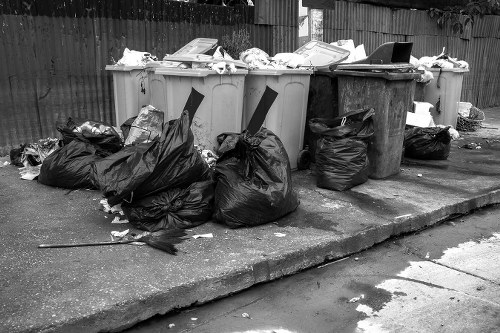 Rubbish Collection is built around a simple idea: effective waste removal should also support a cleaner, lower-impact future. Our rubbish collection service is designed with recycling and resource recovery in mind, helping households, landlords, and businesses move away from landfill-heavy disposal and toward more responsible sorting and reuse. Across the areas we serve, we aim to make every collection count by separating recyclable materials, directing reusable items into the right channels, and reducing the carbon cost of transport.
Our waste collection approach includes a clear recycling percentage target. We are working toward diverting at least 90% of collected recyclable material away from landfill and into approved recovery streams, with continual review to improve performance year on year. This target supports a wider sustainability strategy that includes better sorting, improved transfer efficiencies, and stronger partnerships with local recycling operators. Whether it is mixed household waste, bulky items, or commercial clearances, the goal is always to recover as much value as possible from what is collected.
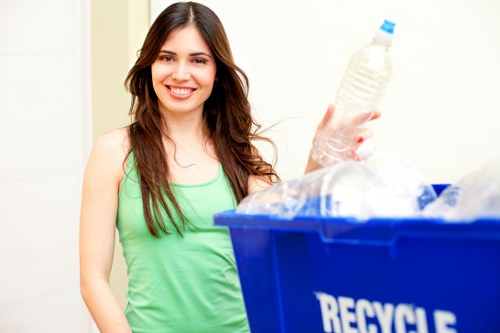
We also recognise that recycling is shaped by local infrastructure and borough-level priorities. In many parts of London and surrounding districts, waste separation already follows a borough-specific approach, with residents encouraged to sort dry mixed recycling, food waste, garden waste, and residual rubbish into separate streams. Our rubbish removal methods are aligned with those local systems wherever possible, helping to reduce contamination and support the correct onward treatment of materials such as cardboard, metals, plastics, glass, and organic waste.
 A key part of our sustainability work is using local transfer stations strategically. These facilities help shorten journey times, consolidate loads efficiently, and route materials to the right recycling or recovery processors. By choosing nearby transfer points, we reduce unnecessary mileage and keep the carbon footprint of each collection lower. This is especially important for recurring waste streams from offices, shops, and communal properties, where regular movement of material can quickly add up.
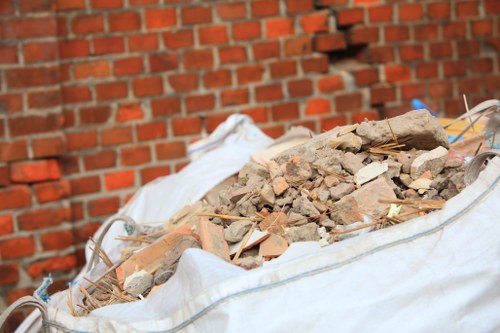
At the transfer stage, waste is assessed for recyclability and separated into suitable categories. Typical recovered materials may include wood, metal, cardboard, rigid plastics, and certain construction-related recyclables. In areas with strong borough recycling programmes, we support the separation of items such as WEEE, small appliances, and green waste so they can be processed in line with environmental regulations. Our recycling collection service is designed to fit into this wider system rather than work against it.
 We also work with charities to extend the life of items that still have use. Furniture, appliances in good condition, books, bric-a-brac, and other reusable goods may be directed toward charitable partners where suitable. This helps reduce waste, supports community organisations, and gives a second life to items that might otherwise be discarded. For many customers, this is one of the most meaningful parts of the recycle rubbish collection process, because it combines environmental benefit with social value.
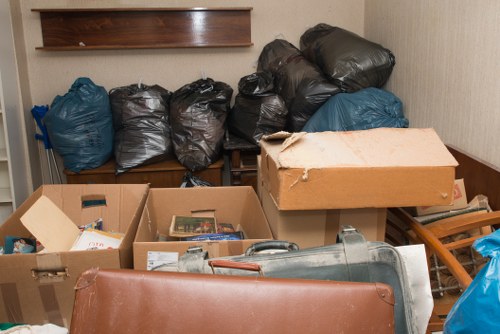
Our partnerships with charities are built around practical reuse. Before any item is classified as waste, teams look for opportunities to separate donations that may be suitable for redistribution. This can be especially useful during house clearances, end-of-tenancy jobs, and office moves, where there are often mixed loads containing a combination of reusable and recyclable items. By keeping reusable goods in circulation longer, we reduce demand for new production and lower the overall environmental cost of disposal.
Transport is another important part of the sustainability picture. That is why our fleet includes low-carbon vans chosen for improved fuel efficiency and reduced emissions. These vehicles support cleaner waste collection across local routes, especially in dense boroughs where stop-start driving is common. Using lower-emission vans helps minimise air pollution and complements our recycling strategy by making the entire collection process more sustainable from pickup to processing.
We also encourage a smarter view of mixed loads. In practical terms, that means separating metals from general waste, keeping cardboard dry and clean, setting aside plastics where local recycling rules allow, and identifying bulky items that may contain reusable components. Across different boroughs, the emphasis on waste separation can vary, but the same principle applies: the better the sorting, the higher the chance of recycling success. Our rubbish collection process is structured to support this, with careful handling and sorting at every stage.
 Sustainability is not only about what happens after collection; it is also about how waste is managed before it leaves the property. That is why we take a considered approach to loading, route planning, and material segregation. By grouping compatible materials together and avoiding unnecessary transport, we improve efficiency and help reduce the environmental impact of each job. This is particularly valuable in busy urban areas where repeated collections can place pressure on roads, fuel use, and local air quality.
For households and businesses looking for a responsible recycling company, the benefits go beyond simple disposal. A well-run recycling and sustainability system reduces landfill dependency, supports circular economy goals, and keeps useful materials in circulation. It can also make compliance easier for commercial sites that need to separate waste streams more carefully, especially where local borough rules require distinct handling for food waste, cardboard, mixed recycling, and general rubbish.
 Looking ahead, Rubbish Collection will continue improving its recycling percentage target, strengthening charity partnerships, and expanding the use of low-carbon vans and efficient transfer routes. Our aim is to make every rubbish collection and recycling collection as responsible as possible, while staying responsive to local borough practices and community needs. In a city where waste systems can differ by area, a flexible, sustainability-led approach helps ensure that more materials are reused, recycled, and recovered for the benefit of everyone.