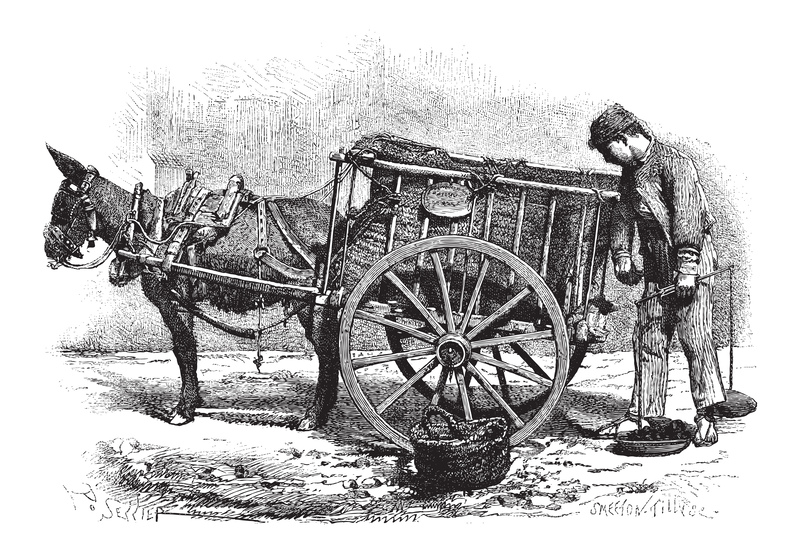
Rubbish Collection in your area

Rubbish collection should be straightforward: clear the waste, separate what can be reused or recycled, and leave the property tidy. Our service covers domestic and commercial rubbish collection with an approach that is designed to handle ordinary household clutter, bulky unwanted items, and mixed waste from everyday clear-outs. We focus on practical removal rather than overcomplicating the process, so customers can arrange the work they need and know what kind of collection is suitable for the job.
The main service is rubbish collection, with related options for bulkier loads, home clearances and targeted item removal when a room, garage, loft or office needs attention. We also deal with garden and builders’ waste, plus specialist item types such as furniture, mattresses, fridges and other white goods. Recycling where possible remains part of sensible waste handling, and the aim is always to match the collection method to the material, access and volume involved.
If you are comparing options, the simplest way to begin is to identify the type of rubbish, the amount involved and any access limits. Then request a quotation once the load is understood, so the collection can be planned on the right basis. For straightforward enquiries, a short description is often enough to start the conversation.
Everyday rubbish removal for homes and small businesses
Our everyday rubbish collection service is suitable for general waste that has built up over time or appears all at once after a clear-out. That can include broken household items, bags of mixed rubbish, cardboard, unwanted bric-a-brac, and the sort of clutter that does not belong in normal weekly bins. The work is planned around the load rather than around a single item type, which makes it practical for customers who need one visit to deal with several kinds of waste at once.
For businesses, the same service can be used for non-hazardous rubbish from storage areas, stockrooms, customer-facing premises or routine site tidy-ups. Where waste streams are more specific, such as office equipment, furniture or fit-out debris, it is sensible to choose the most appropriate collection page rather than forcing everything into one category. business waste removal is a useful place to compare commercial options when the waste comes from a workplace rather than a home.
What is normally included
Rubbish collection can cover a wide range of items, but the most efficient jobs are those where the waste is grouped clearly. Typical loads may include old packaging, unused household goods, worn-out furnishings, light refurbishment waste and accumulated junk from cupboards, sheds or spare rooms. If you are arranging a mixed load, it helps to think in simple categories: re-usable items, recyclable material and general rubbish. That keeps the collection more organised and makes disposal choices easier to understand.
Bulkier items and one-off clearances
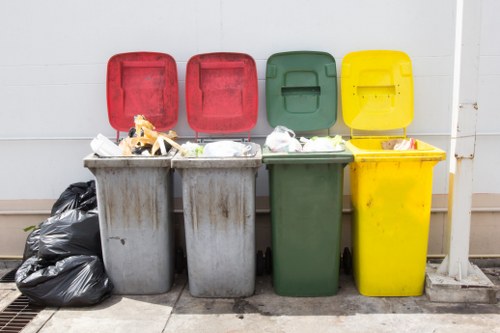
Some jobs are not about loose rubbish at all, but about a few large pieces that are awkward to move. Sofas, wardrobes, shelving, mattresses and white goods need more care than bagged waste because of their size, weight and material mix. These collections are common when a property is being refreshed, a room is being reconfigured or furniture no longer suits the space. Choosing a service that matches the item helps avoid delays and prevents unsuitable waste from being handled as ordinary refuse.
For larger household clearances, it can be helpful to look at the property as a whole. A single bulky item may only need one collection, while a room full of mixed contents may be better handled as a broader clearance. furniture removal and collection is a practical option when the main issue is furniture rather than general rubbish, and it sits naturally alongside other item-specific pages when comparing the right approach.
These larger jobs are often easiest when the items are described plainly and grouped by type. A collection might include damaged chairs, broken cupboards, bed frames, shelving and soft furnishings, but the exact mix can change the most efficient disposal route. It is better to be accurate about the load than to assume everything should be quoted as one generic pile. The more clearly the waste is identified, the more useful the quotation will be.
House, flat and probate clearances
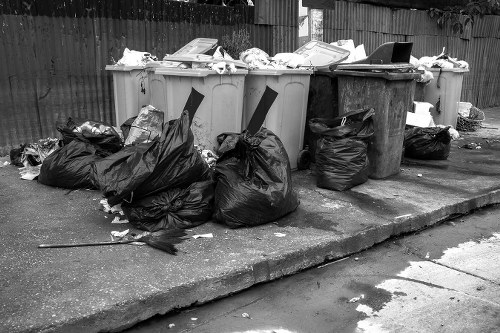
When the task is bigger than removing a few items, a full or partial clearance may be the most suitable form of rubbish collection. Home clearances can involve lofts, garages, spare rooms, sheds, cupboards and the main living areas, with the goal of taking away unwanted contents in one organised visit. Flat clearances may need more attention to stair access, shared entrances and the practicalities of moving items through a building, while house clearances often involve a wider range of furniture and general waste.
There are also circumstances where the work is more sensitive, such as a probate property or a home being prepared for sale, letting or renovation. In those cases, the priority is usually respectful sorting and a clear approach to the remaining contents. probate clearance can be a useful reference if the situation involves an estate or inherited property and the focus is on removing contents carefully rather than treating the job as a simple rubbish pickup.
Useful things to check before a clearance are the rooms to be cleared, any items that must stay, and whether there are stairs, narrow passages or parking considerations. It also helps to note if the waste includes a mix of heavy furniture, light rubbish and reusable pieces, because that affects the time and equipment needed. A clear list at the beginning makes the service easier to organise and helps keep the scope aligned with what is actually required.
Garden, garage and loft waste
Outdoor and storage areas tend to gather waste in different ways, which is why garden, garage and loft collections are often treated as their own tasks. Garden waste may include cuttings, soil in small volumes, branches, old plant pots and broken outdoor items. Garage waste can be more mixed, ranging from tools and packaging to damaged household goods and general clutter. Loft clearances often combine long-stored objects, boxes, old decorations and items that have simply been out of use for years.
These areas are worth separating because the contents can change the disposal plan. Light garden waste is very different from a garage full of mixed household items, and a loft may contain awkward things that need careful carrying through the property. garden waste clearance is a clear fit when the job is mainly outdoor material, while a broader room-based clearance may be better when the load is more varied. Matching the page to the waste avoids confusion and keeps the enquiry focused.
If you are unsure how to describe the load, start by naming the area and then list the main materials. That simple approach helps identify whether the job is mostly green waste, storage clutter, old furniture or mixed rubbish. It also makes it easier to decide whether the collection should be arranged as a single-area clearance or as part of a larger property tidy-up.
Special item disposal and recycling choices

Some items need to be dealt with separately because they are bulky, contain reusable materials or require different handling from general rubbish. Mattresses, sofas, fridges and white goods are common examples. These are not simply bagged and removed alongside everyday waste; they usually call for a more specific collection because size, weight and material composition all matter. Choosing the right service keeps the process clear and helps make the disposal route more appropriate.
Recycling is an important part of sensible waste handling, but it depends on what has been collected and how the items are made up. Metal components, timber, some plastics and electrical appliances may be sorted for recycling or reuse where suitable. recycling and sustainability explains the broader approach to responsible waste handling and sits well beside item-specific services when you want to understand how collected materials are treated.
When a collection contains several special items, it is helpful to group them before the visit if that can be done safely. A mattress, a sofa and an old appliance may each need different handling, yet they can still be removed together if the load is described accurately. The aim is not to make the process more complicated than necessary; it is to make sure the collection is planned around the actual materials involved.
Commercial waste and site clearances
Rubbish collection is not limited to domestic properties. Shops, offices, storage rooms, workshop areas and other business premises also generate waste that needs regular or one-off removal. Commercial collections may involve office furniture, packaging, shelving, paper waste, old displays or mixed items from a move, refit or tidy-up. The collection method should reflect the nature of the premises, the access available and the amount of waste waiting to go.
Where premises are being reorganised or emptied, it may be more suitable to look beyond simple rubbish collection and consider a fuller clearance. office clearance is relevant when desks, chairs, cabinets and other workplace contents make up the bulk of the job, while broader commercial pages can help when the waste is part of a larger change of use. The best choice depends on whether the main issue is loose rubbish, furniture or a full site tidy.
Commercial customers often benefit from a straightforward description of the waste stream, because that makes it easier to separate a routine collection from items that need special attention. If there are security concerns, shared access points or time restrictions within the premises, those details matter as much as the type of waste. Clear information keeps the collection practical and reduces the chance of the wrong service being arranged.
About rubbish collection in Brighton
Brighton is a seaside city on the south coast of England with a strong identity shaped by its position between the sea and the South Downs. Its built environment ranges from the elegant terraces and crescents of the Regency period to the denser streets and lanes around the town centre, where historic development sits alongside later retail and cultural uses. The Brighton Pavilion, with its distinctive Indo-Saracenic design, is one of the city’s best-known landmarks and reflects the royal and leisure associations that helped shape Brighton’s growth in the 18th and 19th centuries. The seafront remains central to the city’s character, from the Palace Pier to the wide promenade and the open stretch of beach that draws walkers, swimmers and visitors throughout the year.
Beyond the waterfront, Brighton includes a rich pattern of neighbourhoods with their own atmosphere, such as the North Laine area with its independent shops and creative reputation, and the quieter residential streets that climb towards the hills. The city’s cultural life is also notable, with theatres, live music venues, galleries and seasonal festivals contributing to a busy public calendar. St Nicholas Church and other older buildings offer reminders of the pre-resort settlement, while the railway arrival in the 19th century transformed Brighton into a much larger urban centre. The nearby Downs give the city a strong sense of natural boundary, and the contrasts between coastal openness, compact streets and hilltop views make Brighton distinctive among English towns and cities.
How to plan a sensible collection
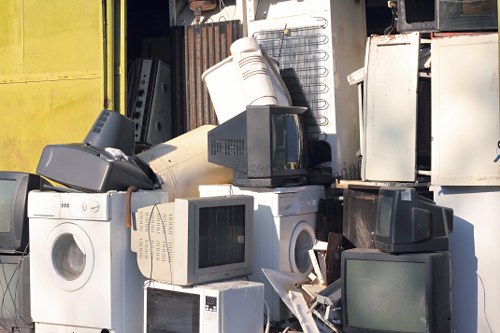
A good rubbish collection starts with a clear description of what needs to go and how much there is. If possible, separate furniture, general rubbish, recyclable material and any items that need special handling. That makes it easier to choose the right service and can prevent the quotation from being based on the wrong assumptions. For heavier jobs, it also helps to mention access details such as stairs, shared entrances, narrow paths or restricted parking, because those practical points can change how the collection is organised.
Before booking, it is also sensible to check whether there are items you want to keep separate from the load. If the waste is mixed with belongings that are still needed, make that clear in the enquiry so the collection can be planned carefully. pricing and quotes is the best place to compare the information needed for a quotation and to understand how the job can be described without guesswork. A brief, accurate outline is usually more useful than a long list of uncertain details.
For a straightforward start, name the property type, the main items, and any awkward access, then ask for a quotation. If the work involves a business premises, a clearance, or a specialist item load, mention that as well so the scope is matched correctly. The aim is to make the process easy to arrange while keeping the collection specific to the rubbish you actually need removed.
Further rubbish collection options and next steps
Different loads benefit from different service pages, especially when the waste is more specific than a general household clear-out. If the main issue is a large pile of mixed material, bulk waste collection may be the most practical option. If the job is closer to a full property emptying, then a house, home or flat clearance page will usually be more appropriate. Matching the collection to the actual waste type helps keep the service simple and avoids over- or under-specifying the work.
For customers who want to compare related services, there are also dedicated pages for items such as sofas, mattresses, fridges and builders’ waste. Those pages are useful when one material dominates the load, while the general rubbish collection page remains the right place for mixed everyday waste. If you are ready to move forward, use the service that best matches the contents and ask for a quotation based on the real volume and access conditions.
Whether the job is domestic or commercial, single-item or mixed-load, the goal is the same: take away waste in a tidy and organised way. If you need a clear price or want help choosing the right collection type, contact us and request a quotation. We can then discuss the most suitable option for your rubbish collection needs.