Waste Collection in London
When you need waste collection in London, you usually need it for one simple reason: things have built up faster than you can clear them yourself. That might be a flat full of renovation debris in Islington, a shop refit in Croydon, old office furniture in Canary Wharf, or a house clearance in Walthamstow after years of storage in the loft, shed, or spare room. In a city as busy and compact as London, waste can quickly become more than an inconvenience. It can block access, affect safety, and make a property feel impossible to use properly.
A local waste collection service is designed to take that pressure away. Instead of hiring a van, finding parking, making multiple trips to the tip, and dealing with lifting heavy items yourself, you can book a team to remove unwanted waste efficiently and responsibly. For many London customers, that means saving time, reducing disruption, and getting back to normal faster. It also means having support from people who understand local streets, access issues, council rules, and the practical realities of working in flats, terraces, mews houses, commercial units, and mixed-use buildings.
Whether you are clearing a single bulky item or arranging a full property clearance, the right service should feel straightforward from the first enquiry. Request a free quote when you are ready, and choose a team that can collect waste with minimum hassle and maximum care.
Why waste collection matters in London

London properties often create waste in ways that are different from other places. Space is tighter, storage is limited, and access can be complicated. In a city where many homes have no driveway and many commercial premises operate on narrow roads, waste rarely waits for a convenient moment. It can build up after decorating work, end-of-tenancy clear-outs, office refurbishments, or simply because everyday items have accumulated over time.
That is why waste collection London customers tend to look for a service that is both flexible and local. A nearby team can respond more quickly, understand loading restrictions, and plan around controlled parking zones, permit areas, or busy high streets. In places like Hackney, Camden, Westminster, Lambeth, and Southwark, these small details can make a big difference to how smoothly a collection goes.
There is also a safety angle. Waste left in hallways, basements, gardens, loading bays, or shop back areas can create trip hazards and make a property harder to use. In some cases, it can also lead to complaints from neighbours, staff, or managing agents. A timely collection helps keep the space functional and presentable.
Who our waste collection service is for

Waste collection is useful for many different types of London customer, and each job tends to come with its own set of needs. Some people need a one-off removal of old furniture. Others want help after a property clearance, a renovation, or a commercial move. Many customers simply need a reliable team that can remove mixed waste without making the process complicated.
Common customers include homeowners, tenants, landlords, estate agents, builders, shop owners, office managers, and managing agents. The service is just as helpful for a small flat in a Victorian conversion as it is for a large office floor or a retail unit with recurring waste. In London, where property types vary from basement flats and warehouse conversions to tower blocks and period terraces, a flexible approach is essential.
Typical reasons for booking include moving out, replacing furniture, clearing lofts and garages, removing appliances, getting rid of garden waste, disposing of building rubble, and handling commercial rubbish after refurbishments or stock changes. If you are unsure whether your items can be collected, it is often easiest to ask before booking so the team can advise on the right approach.
What is included in a professional collection
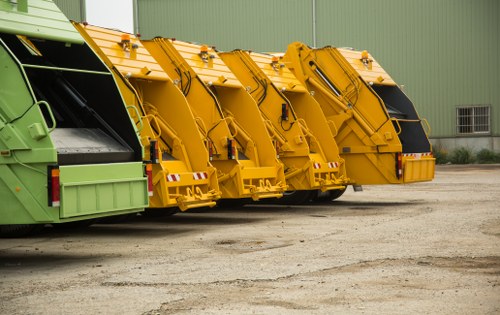
A proper waste collection service should do more than simply turn up and load items. It should reduce the work you have to do and make the process as stress-free as possible. Depending on the job, the team may collect waste from inside the property, from a front garden, a yard, a basement, a garage, a bin store, or a commercial back-of-house area. In many London buildings, this is especially useful where stairs, lifts, or tight corridors make DIY removal awkward.
Most customers want a service that covers all the heavy lifting and careful handling. That can include single items, multiple bulky pieces, or mixed loads where different waste types have been grouped together. The team should be able to remove furniture, appliances, bagged rubbish, office waste, shop fittings, cardboard, and certain construction materials, subject to what has been agreed in advance.
Customers also value a tidy finish. After collection, the space should be left clear and ready for whatever comes next, whether that is a deep clean, decoration, a move-in, or a fit-out. For many people, this is the point where the relief really kicks in: the clutter is gone, the room is usable again, and the property feels manageable.
How waste collection in London usually works
The process is usually simple, but a good local team will still ask the right questions so the booking fits your property and your waste. First, you describe what needs to go, where it is located, and whether there are any access issues such as stairs, lifts, permits, or restricted parking. Then the team can advise on the right vehicle size, the likely time needed, and any special handling requirements.
On the day of collection, the crew arrives and assesses the load before starting. In London, this stage matters more than many people expect. A narrow street in Notting Hill, a timed loading bay in the City, or a busy parade of shops in Tottenham can all affect how quickly a collection can be completed. Experienced local crews know how to work around those conditions without adding unnecessary delay.
Once the waste is loaded, the team removes it for responsible disposal. If items need sorting, separating, or specialist handling, that should be done as part of the job. The goal is to remove the waste efficiently while keeping the experience smooth for the customer. Book your service now if you want a practical solution without the stress of doing it yourself.
What you may be asked when booking
- What type of waste needs collecting
- Approximate amount or number of items
- Whether the waste is inside or outside the property
- Any stairs, lifts, or access restrictions
- Parking or loading limitations nearby
- Whether the waste includes heavy or awkward items
Common waste types collected across London
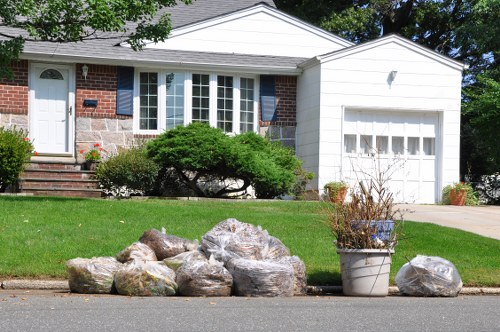
London waste collection jobs vary widely, and that is part of what makes a local service valuable. Different property types and industries create different waste streams, so the service needs to be adaptable. A household clear-out in Greenwich is not the same as a restaurant refurb in Shoreditch or an office move in Holborn.
Domestic waste often includes old furniture, mattresses, white goods, broken appliances, bagged rubbish, boxes, toys, clothing, and general household clutter. Garden waste may include branches, hedge cuttings, soil, pots, fencing, and other outdoor debris. Commercial waste can include office chairs, desks, filing cabinets, packaging, stock waste, shelving, and mixed fit-out debris.
Builders waste is also common, especially in a city with frequent refurbishments and renovations. This may include plasterboard, timber, tiles, bricks, rubble, bathroom suites, kitchen units, and site clearance materials. It is important to be clear about what is included, because some materials need separate treatment or are subject to specific disposal rules.
Examples of collection jobs
- Household clearances after a move
- End-of-tenancy rubbish removal
- Loft, garage, shed, or basement clear-outs
- Office furniture and equipment removal
- Shop and hospitality waste after a refit
- Light construction and renovation waste
London-specific access and parking challenges

One of the biggest reasons customers choose a local waste collection company is simple: London is not easy to work in if you do not know the area. Parking rules can change from street to street, some properties sit behind gated access, and many buildings have no convenient place to stop a vehicle. In boroughs like Kensington and Chelsea, Tower Hamlets, Brent, and Lewisham, practical access planning can be just as important as the collection itself.
Flat conversions, mansion blocks, estates, and commercial buildings can also create issues with lifts, stairwells, shared corridors, and entry systems. A team that is used to working in the city will know to ask about things like floor level, lift size, time restrictions, concierge arrangements, and whether the waste has to be carried through communal areas. That preparation can save time and reduce disruption on the day.
For customers, this means less waiting around and fewer surprises. It also means the collection is more likely to run smoothly even in busy areas such as Fulham, Clapham, Ealing, Stratford, or Peckham, where traffic and parking can affect the schedule. Local experience is not a luxury in London; it is often what makes the difference between a stressful job and an easy one.
Why choose a local waste collection company
There are several strong reasons to choose a local provider rather than trying to handle everything yourself or using a team unfamiliar with London conditions. First, local knowledge helps with access, timing, and parking. Second, a nearby service can often respond more flexibly when your plans change, which matters a lot for moves, refurbishments, and property sales. Third, local crews usually understand the different expectations of residential and commercial customers, from minimal noise and tidy handling to careful coordination with building rules.
A local company is also more likely to be familiar with the practical realities of the capital’s property market. In many neighbourhoods, waste collection needs to be done around tenancy turnovers, end-of-build deadlines, office fit-out schedules, and estate management requirements. That means punctuality, communication, and efficient work all matter. Customers are not just paying to have waste taken away; they are paying for less disruption to daily life or business operations.
There is also a convenience factor. If you are dealing with multiple rooms, mixed waste, or a tight deadline, it helps to work with a team that can adapt rather than offering a one-size-fits-all approach. That is especially true in central and inner London, where access can be restricted and time windows may be limited. Contact us today if you want a service that fits London property conditions properly.
What affects the price of waste collection
While exact prices vary from job to job, most waste collection quotes are based on a few common factors. The amount of waste is usually the biggest one, followed by the type of waste and the access involved. A single sofa in a ground-floor flat will usually be simpler than a full office clearance from the third floor with no lift and difficult parking.
Pricing can also depend on whether the waste is easy to reach, whether labour is required to carry items down stairs or through long corridors, and whether any items need special handling. For example, a load of bagged household rubbish is different from heavy building waste or bulky furniture that must be dismantled first. If a job requires extra time, extra crew, or more complex logistics, that can affect the quote.
Customers can usually help by providing clear information upfront. Photos, lists of items, and details about access can all support a more accurate estimate. That does not mean you need to know every technical detail. It simply means the more the team understands at the start, the better they can tailor the collection to your property and waste type.
Common pricing factors
- Volume of waste to be removed
- Type of items and waste materials
- Ease of access to the waste
- Stairs, lifts, and carrying distance
- Parking or waiting restrictions
- Time needed to complete the job
- Need for dismantling or sorting
How to prepare for your collection
Good preparation can make a waste collection quicker, smoother, and more cost-effective. You do not need to do heavy lifting yourself, but it helps to make the waste easy to identify and easy to reach. If possible, place items together in one area and separate anything you want to keep. In flats and shared buildings, it can also help to check building rules beforehand, especially if the collection must take place through communal hallways or loading areas.
It is also sensible to mention any awkward items in advance. Large wardrobes, American-style fridges, broken exercise equipment, bathroom suites, or construction debris can all need extra planning. If you are in a conservation area, a mews street, an estate, or a restricted parking zone, the team may need to factor that into the collection plan. A little preparation often makes the appointment feel much more organised.
For business customers, preparation might include telling staff which items are going, making sure stock or documents are separated, and confirming access with a building manager or concierge. If the clearance is part of a move or refurbishment, scheduling the waste removal at the right time can help avoid delays for contractors, movers, or cleaning teams.
Preparation checklist
- Identify everything you want removed
- Separate keep items from waste items
- Note stairs, lifts, and access restrictions
- Check parking or loading rules near the property
- Tell the team about heavy, sharp, or fragile items
- Make sure someone is available if access is needed
Residential waste collection for London homes
Residential waste collection is one of the most common reasons people get in touch. London homes often fill up with unused furniture, old appliances, broken items, and clutter from storage areas that have not been cleared in years. This is particularly common in flats, where cupboard space is limited and bulky belongings can quickly take over valuable living areas.
Whether you are in a terraced house in Dulwich, a new-build apartment in Wembley, or a period flat in Balham, the same issue often appears: the waste is too large, too heavy, or too awkward for a standard bin service. A collection team can remove it in one visit, helping you reclaim the space without multiple trips or months of waiting for bulky waste slots.
This service is especially useful after moving house, before a sale, during a refurbishment, or when clearing a relative’s property. In emotional or time-sensitive situations, it helps to have a team that works carefully and respectfully while keeping the process practical. The aim is to make the load feel lighter, both physically and mentally.
Commercial waste collection for London businesses
Businesses across London often need waste removed quickly so day-to-day operations can continue without interruption. Offices, retail units, cafés, restaurants, salons, and studios all produce waste that cannot always wait for a standard collection cycle. Old desks, chairs, packaging, fixtures, and refurbishment debris can create congestion if they are left too long.
For commercial customers, consistency and timing are often as important as removal itself. A collection team should work around trading hours, deliveries, and building access rules. In busy commercial districts such as the West End, the City, Canary Wharf, and South Bank, this can be particularly important because loading opportunities may be limited and timing windows may be tight.
Commercial waste collection also supports cleaner, safer working environments. Clear back areas, cleared stockrooms, and tidier office floors reduce obstacles and make spaces more professional for staff, visitors, and clients. If your business is planning a refit, relocation, or seasonal clear-out, request a free quote to arrange a collection that matches your schedule.
Typical commercial collections include
- Office desks, chairs, and cabinets
- Retail fixtures, shelving, and displays
- Café and restaurant furniture
- Packaging and stock-related waste
- Light refurbishment debris
- Unused equipment from closures or relocations
Areas covered across London
A strong waste collection service should be able to cover a wide range of neighbourhoods and boroughs, because London customers rarely fit into one simple category. You may need collection in central areas with restricted access, or in outer zones where properties are more spread out but still affected by parking and disposal rules. A local team should be able to work across different parts of the city with the same practical approach.
Areas commonly covered include central and inner London locations such as Westminster, Camden, Islington, Hackney, Tower Hamlets, Southwark, Lambeth, Kensington, Chelsea, Hammersmith, and Fulham, as well as surrounding districts and outer boroughs such as Ealing, Brent, Hounslow, Lewisham, Greenwich, Wandsworth, Richmond, Merton, Barnet, and Croydon. Many customers also need help in mixed residential and commercial areas where access can vary from street to street.
If your area is not listed here, it is still worth asking. In a city as large as London, local route planning and knowledge of nearby boroughs can often make collections possible in a wide area. The most useful service is one that can adapt to different streets, different property types, and different customer needs.
Responsible disposal and what customers should expect
Customers booking waste collection in London usually want more than a quick lift-and-load. They want to know that the waste will be handled in a responsible way. That means sorting items where appropriate, separating materials that need special handling, and taking waste to the correct disposal or processing route. A trustworthy service should be clear about how it handles different waste types and should never encourage careless dumping.
This matters for households, landlords, and businesses alike. Responsible disposal helps reduce environmental impact and supports a cleaner city. It also protects customers from the risks of using an unsuitable service. If you are clearing a property, especially one with a mix of furniture, general rubbish, and renovation material, it is worth choosing a company that treats disposal properly from the start.
As a customer, you do not need to manage the sorting process yourself unless you want to. What matters is that you choose a team that understands what can be taken, what needs to be separated, and how to deal with the load safely. That reassurance is one of the main benefits of using a professional local service.
FAQs about waste collection in London
How quickly can waste be collected?
Availability depends on the size of the job, your location, and the current schedule. Many customers ask for collections when they need a fast turnaround after a move, clearance, or refurbishment. It is best to enquire as early as possible so the team can suggest a suitable time.
Can you collect waste from flats and upper floors?
Yes, collections from flats and upper floors are common in London. The team may need details about stairs, lifts, and any carrying distance from the property to the vehicle. Sharing this in advance helps the crew plan properly.
Do I need to move the waste outside first?
Not usually. In many cases, the team can collect waste from inside the property or from another agreed location. If you can group the items in one area, that can help, but heavy lifting is usually handled by the collection crew.
Can mixed waste be collected together?
Often, yes, provided the waste types are acceptable and the team knows what is included. Mixed loads are common in homes and businesses, especially after clear-outs, refurbishments, or relocations.
What if I am not sure how much waste I have?
That is very common. Photos, approximate counts, or a room-by-room description can help the team assess the job. If needed, the collection can be discussed in more detail before booking so there are no surprises.
Do you cover urgent or same-day waste removal?
Sometimes urgent collections can be arranged, depending on availability and the size of the job. If your waste is causing a problem or you have a deadline, mention it when you enquire so the team can advise.
Book waste collection in London with confidence
If you need waste removed from a home, office, shop, building site, or managed property, a local service can save time and reduce stress. London properties come with unique challenges, from parking restrictions and narrow staircases to shared entrances and busy loading areas. The right team will understand those challenges and handle them with care.
Whether you are clearing a few bulky items or arranging a larger collection, the aim is the same: make the process simple, safe, and efficient. You should feel confident that the waste will be collected properly, the property will be left ready for use, and the job will be handled without unnecessary disruption.
Contact us today to discuss your waste, ask about availability, and request a free quote. If you are ready to clear space, improve access, and get the job done properly, book your service now and let a local London team take care of the collection.