Council Waste Collection in London
If you are dealing with unwanted rubbish, overflowing bins, bulky items, or a build-up of waste that your regular collection cannot handle, Council Waste Collection in London is often the service people turn to when they need a practical, local solution. In a city as busy and varied as London, waste collection needs are rarely straightforward. A flat in Camden, a terraced house in Lewisham, a shop unit in Wandsworth, and an office in the City all create different disposal challenges. Add in narrow streets, controlled parking zones, basement entrances, estate access rules, and busy building schedules, and it becomes clear why a responsive local team can make a real difference.
This page is designed for London customers who want a clear idea of what council waste collection support can involve, how it works, what is included, and when it makes sense to arrange a private collection instead of waiting for a routine municipal pickup. Whether you are a homeowner, tenant, landlord, facilities manager, shop owner, or someone dealing with a one-off clear-out, the right waste service can save time, reduce stress, and help keep your property clean and safe.
From bulky household items and garden waste to mixed rubbish from refurbishments or commercial premises, there are many situations where local waste collection in London can help restore order quickly. Below, you will find the key service details customers usually need before they book, including what to prepare, what affects pricing, which areas are commonly covered, and the answers to questions people often ask before arranging a collection.
Why council waste collection matters in London

Waste collection in London is not just about keeping properties tidy. It is about maintaining safe access, meeting local rules, and dealing with the realities of high-density living. In many parts of the capital, residents do not have large driveways, front gardens, or private storage areas for rubbish. Many homes rely on shared bin stores, compact courtyards, or timed collections that can be easy to miss when life gets busy. If waste starts building up, it can quickly affect hygiene, appearance, and the day-to-day use of the property.
For landlords and managing agents, an efficient waste solution is especially important between tenancies, after end-of-lease clearances, or when a property has been left with unwanted items. For businesses, from cafés and salons to offices and warehouses, consistent rubbish removal supports a cleaner working environment and helps prevent disruption to staff and customers. In areas with high footfall, such as Stratford, Croydon, Hammersmith, or Clapham, a prompt collection can also help avoid clutter that creates an unprofessional impression.
Many people search for council waste collection in London when they need a service that feels local, practical, and responsive to the realities of city living. A nearby team understands the need for flexible arrival windows, parking restrictions, estate access, and fast turnaround. That local awareness matters when waste needs to be removed without upsetting neighbours, blocking entrances, or delaying property use.
What the service can include

The exact scope of council waste collection support can vary depending on the property type and the amount of material to be removed. In general, customers use the service for one-off clearances, bulky rubbish removal, or regular support when standard bins are not enough. It can be useful after a house move, renovation, tenancy change, spring clean, office relocation, or a garden project that has produced more waste than expected.
Typical items may include furniture, broken appliances, general household rubbish, bagged waste, packaging, old fixtures, light builders' waste, and garden debris. In commercial settings, it may also involve cardboard, office clutter, shelving, display items, and mixed waste from refits or storage areas. It is always sensible to confirm the type of waste beforehand, especially if the items are heavy, awkward, or require special handling.
Some jobs are simple curbside pickups, while others require waste to be collected from inside a property, an upper floor, a basement, or an outbuilding. This is one reason London residents often prefer a service that is familiar with flat access, stairwells, lift usage, communal entry points, and limited loading space. A well-organised waste collection can remove the hassle of trying to transport bulky items to a skip or central collection point yourself.
Common reasons London customers book waste collection

People in London arrange waste collection for many practical reasons. Some need help after clearing out a flat in a converted Victorian terrace. Others need rubbish removed from a new-build apartment with very little storage space. Commercial customers often need prompt collections after stock changes, office refurbishments, or maintenance works. Each situation is different, but the common theme is the same: the customer wants waste gone quickly, safely, and without unnecessary disruption.
Here are some of the most common booking reasons:
- End-of-tenancy or move-out clearances
- Bulky item removal from flats, houses, or communal spaces
- Garden waste after landscaping or seasonal tidy-ups
- Household decluttering before a sale or renovation
- Office and retail waste from refits or relocations
- Loose rubbish that cannot wait for the next standard collection
- Waste left after builders, decorators, or installers have finished
In busy neighbourhoods such as Islington, Hackney, Ealing, Brent, or Southwark, timing can matter as much as the waste itself. Customers often want a collection that fits around work, school runs, delivery windows, or building management rules. A local service is often better placed to work with those constraints and provide a more convenient experience.
How council waste collection works
The process is usually straightforward, but it helps to know what to expect before you book. Most customers begin by describing the waste, the property access, and the location. That allows the team to plan the right vehicle, crew size, and collection method. For London properties, details such as parking availability, lift access, floor level, and whether items must be carried through communal areas are often important.
Once the collection is arranged, the team arrives during the agreed time window, assesses the items, and removes the waste efficiently. Depending on the job, this may involve lifting items from inside the property, collecting bags from the front of the building, or loading waste from a shared yard, garage, or service entrance. If the waste is mixed, it is usually sorted after collection so that reusable or recyclable materials can be separated where possible.
Customers who are looking for council waste collection in London generally want a service that keeps things simple. That means clear communication, punctual arrival, careful handling of the property, and a tidy finish. If the waste is bulky or awkward, a professional team can often remove it more quickly and safely than trying to coordinate friends, a hired vehicle, or multiple trips to a disposal site.
What makes London waste collection different?

London creates unique waste collection challenges that many other places do not. Properties are often close together, street parking is limited, and access routes can be narrow or shared. In central locations, there may be loading restrictions or timed access requirements. In outer boroughs, residents may still face tightly packed estates, busy roads, and limited waiting space for collection vehicles. These issues can make a simple rubbish removal job more complicated than it first appears.
Flats above shops, basement apartments, mansion blocks, and converted houses are all common across the city. Each type of property may have different access considerations, from staircases and lifts to concierge procedures and permit rules. In some areas, waste must be carried through internal corridors or down shared passages, and care is needed to avoid disturbing neighbours or damaging walls, floors, and door frames. A local waste team that understands London property layouts can work more efficiently and with less disruption.
Parking and loading are often the main practical challenges. A collection team may need to plan around CPZ restrictions, red routes, resident permits, or narrow side streets. That is why many customers value a service that knows how to work across London boroughs without wasting time or causing avoidable delays. When your waste removal is organised with local conditions in mind, the whole process becomes far easier.
Residential waste collection for homes and flats
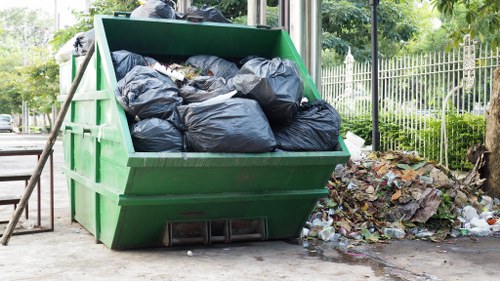
For household customers, waste collection is often needed at the point when ordinary bins are full and the next council pickup is not enough. This can happen after a clear-out, a furniture replacement, a move, or a major delivery. London homes are often compact, so even a small amount of surplus waste can take up valuable space very quickly. A reliable collection service helps restore order without the hassle of hiring a skip or spending a whole day making disposal trips.
Residential customers may request help from:
- Houses and terraces
- Purpose-built flats and apartments
- Converted buildings
- Shared estates and housing developments
- Basement and top-floor properties
- Student accommodation and short-let properties
For many households, the best outcome is a quick collection that does not interfere with daily life. The team can often work around family schedules, neighbours, and access arrangements, which is especially useful where waste has to be removed from inside the property. If you are preparing for guests, completing a home renovation, or trying to reclaim a spare room, timely waste removal can make a noticeable difference right away.
Commercial waste support for London businesses
Commercial customers need waste services that are dependable, discreet, and efficient. A shop in Kensington may need packaging and shelving removed after a refit. An office in Canary Wharf may need old furniture taken away during a relocation. A restaurant in Brixton may require a one-off clearance after storage areas become overloaded. In each case, the priority is to keep the business moving while clearing waste in a way that causes minimal disruption.
Businesses often choose local waste collection because it is easier to fit around opening hours, deliveries, and staff schedules. It can also be more convenient when access is restricted to certain times of day or when the waste must be handled from a rear loading area, basement, or service entrance. Commercial waste can include mixed rubbish, paper and cardboard, broken fittings, display items, soft furnishings, and general clutter from storage or refurbishment works.
For busy premises, a planned collection is often preferable to leaving rubbish to accumulate. It helps reduce trip hazards, keeps shared areas presentable, and supports smoother day-to-day operations. If your property needs repeated support, a regular waste arrangement may be worth discussing, especially where council schedules do not match the pace of your business.
What is usually not included
It is important to be clear about waste types before booking. Some materials need special handling, extra preparation, or a different disposal route. While many items can be included in a standard collection, certain waste streams may not be accepted or may need separate arrangements depending on the service provider and the material involved.
Examples of items that often need special attention include:
- Hazardous substances
- Asbestos-containing materials
- Chemicals, oils, or fuels
- Pressurised containers
- Clinical or medical waste
- Items contaminated by unsafe materials
- Large quantities of trade waste requiring dedicated handling
If you are unsure about any item, it is best to ask before booking so there are no surprises on the day. Being upfront about the waste type helps the team plan safely and ensures the collection can be completed without unnecessary delays.
What affects the price of a collection?
Customers often want to understand what influences the cost of a waste collection before they decide to book. While exact pricing depends on the job, several practical factors are commonly considered. These include the amount of waste, the type of waste, access conditions, labour required, parking considerations, and whether the collection involves a simple pickup or a more involved clearance from inside a property.
Typical pricing factors may include:
- Volume of waste - more items or larger loads usually require more space and labour.
- Waste type - mixed rubbish, heavy items, or special materials may affect handling.
- Access difficulty - stairs, narrow corridors, or distance from the vehicle can matter.
- Parking and waiting constraints - busy streets or permit areas may affect timing.
- Urgency - same-day or short-notice arrangements may need extra planning.
- Location across London - borough and traffic conditions can influence logistics.
Requesting a quote is usually the best way to understand the likely cost for your specific situation. A good local team will ask practical questions about the waste and access so the estimate reflects the job accurately rather than relying on guesswork. That saves time for both sides and helps you decide whether collection is the right option.
How to prepare for waste collection
Good preparation can make the collection faster and smoother, especially in London properties where space is tight. You do not usually need to do much, but a few simple steps can help the team work efficiently and reduce any risk of delays. If waste is spread across several rooms or tucked into a loft, shed, or basement, it helps to identify everything before the collection begins.
Preparation checklist:
- Separate waste you want removed from items you want to keep
- Make access routes clear where possible
- Unlock gates, communal doors, or storage areas in advance
- Tell the team about stairs, lifts, or narrow entrances
- Point out any heavy, sharp, or awkward items
- Arrange parking information if the property is in a restricted area
- Let neighbours, building managers, or concierge staff know if required
If you live in a flat or managed building, it can also help to check any rules about moving large items through communal areas or using service lifts. In some parts of London, building access needs to be timed carefully, so a little planning can make the collection much easier on the day.
Why choose a local London team?
There are clear benefits to choosing a local team for waste collection in London. Familiarity with borough layouts, local traffic patterns, parking controls, and building types can make the service more efficient from the moment you enquire. A local provider is more likely to understand that a job in Fulham might need very different planning from one in Greenwich, Harrow, or Tower Hamlets.
A nearby service can also be more responsive when customers need a flexible collection window. This matters when waste needs to be removed before decorators arrive, before a property handover, or before a business opens for the day. Instead of arranging around a distant provider with little understanding of London access challenges, customers often prefer a team that already knows how to work within the city’s practical constraints.
Local knowledge also supports a smoother customer experience. When the team is used to dealing with estate managers, controlled parking, busy roads, and compact properties, there is less room for confusion. That can be especially important for time-sensitive jobs where a delayed collection would affect your plans.
Areas covered across London
Council waste collection support is often requested across all parts of the capital, from central districts to outer boroughs. While every job is different, customers regularly need collections in places with a mix of residential streets, estates, commercial parades, and mixed-use buildings. The service is especially useful where access is tricky, waste piles up quickly, or a property needs to be cleared between occupiers.
Areas commonly covered may include:
- Central London
- North London
- South London
- East London
- West London
- Inner and outer borough locations
- Busy town centres and quieter residential streets
Examples of local environments where waste collection is frequently needed include apartment blocks near transport hubs, terraced streets with limited parking, commercial areas with loading restrictions, and estate properties with shared bin stores. Whether you are near a main road or tucked away on a residential cul-de-sac, local collection support can help you deal with waste quickly and with minimal fuss.
What customers value most in this service
When people book waste collection, they are usually looking for more than just someone to take rubbish away. They want reassurance that the job will be handled properly, that the team will arrive when expected, and that the property will be treated with care. In London, those expectations matter even more because collections often take place around tight schedules and limited access.
Customers tend to value:
- Clear communication before the collection
- Careful handling of homes, communal spaces, and business premises
- Flexible timing to fit around work or property management needs
- Efficient removal of bulky or awkward items
- A tidy finish once the waste has been loaded
- Local knowledge of parking, access, and borough-specific conditions
When the service is well planned, the difference is immediate. Rooms feel usable again, entrances are clearer, and the stress of dealing with waste is taken off your shoulders. That is why many customers prefer to arrange collection rather than letting unwanted items sit around for days or weeks.
Frequently asked questions
Below are some of the questions people commonly ask when looking into council waste collection in London. If you are preparing to book, these answers can help you understand how the process usually works and what details are useful to provide at the enquiry stage.
Can you collect waste from inside a flat or house?
Yes, many collections involve removing items from inside the property. This is common in London flats, maisonettes, and houses where waste cannot easily be moved outside in advance. It is helpful to mention stairs, lifts, and any shared access points when booking.
Do I need to move everything to the kerb first?
Not always. Some customers prefer to have items collected from inside, while others place them in an accessible outdoor area. The best option depends on the property layout, the amount of waste, and how easy it is to carry items safely.
What if I live in a controlled parking area?
That is common across London. If parking is limited or restricted, it helps to explain the situation in advance so the collection can be planned properly. The team may need information about permits, loading space, or the best time to arrive.
Can you handle bulky items like sofas or mattresses?
Bulky items are a frequent reason for booking. Sofas, mattresses, wardrobes, tables, and similar items can often be removed as part of the collection, provided access is suitable and the waste type is confirmed in advance.
What should I do if I have mixed waste?
Mixed waste is common after clear-outs and renovations. It is useful to describe the contents as accurately as possible so the team can plan the right loading and disposal approach. If certain items need special handling, mention them before the appointment.
Is the service suitable for businesses as well as homes?
Yes. Commercial customers often use waste collection for offices, retail spaces, hospitality venues, and managed properties. The service can be arranged around opening hours, building access rules, and business operations.
Ready to arrange council waste collection in London?
If you need rubbish removed from a home, flat, office, shop, or shared property, a local collection service can make the process far easier. From one-off bulky item removal to larger clearances, the right team can help you deal with waste quickly and with minimal disruption. The key is to provide a clear description of the items, access conditions, and location so the collection can be planned properly from the outset.
Whether you are dealing with a tight deadline, a cluttered property, or a build-up of waste that needs sorting soon, council waste collection in London offers a practical way forward. It is especially useful for busy households, landlords, agents, and businesses that need an efficient result without the stress of handling everything themselves.
Contact us today to request a free quote, discuss your waste collection needs, and arrange a convenient service that works around your London property. If you are ready to clear space and get the job done properly, book your service now.