Health and Safety Policy for Rubbish Collection
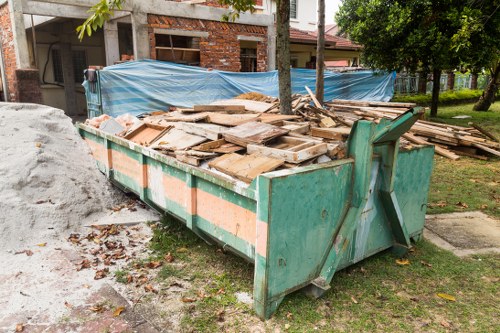 Health and safety is central to every rubbish collection activity. Whether the work involves household waste, commercial bins, or bulky item removal, the aim is to protect workers, residents, visitors, and the wider public from avoidable harm. A safe approach to rubbish collection depends on planning, training, communication, and consistent control measures. This policy sets out the standards expected during collection, handling, transport, and disposal of waste.
The nature of rubbish collection services means that staff may encounter heavy lifting, sharp objects, hazardous materials, traffic, poor weather, and unsanitary conditions. For that reason, all duties must be carried out in a way that reduces risk as far as reasonably possible. Safety is everyone’s responsibility, and all workers must follow safe systems of work, report hazards promptly, and take care of their own actions as well as the safety of others.
All rubbish collection operations must begin with a basic risk assessment. This assessment should identify the likely hazards, who may be affected, and what control measures are needed.  It should consider route access, manual handling, vehicle movement, waste type, public interaction, and emergency response. Risk controls must be reviewed regularly, especially when work conditions change or when new tasks are introduced.
Employees must receive suitable training before taking part in any waste collection work. Training should cover correct lifting techniques, the use of equipment, contamination awareness, vehicle safety, and what to do if an accident occurs. Where necessary, refresher training should be provided to ensure that safe habits remain current. Supervisors should monitor performance and correct unsafe behaviour quickly and consistently.
Personal protective equipment, or PPE, must be worn whenever required by the task. This may include gloves, high-visibility clothing, sturdy footwear, eye protection, and other items suitable for the specific type of waste being handled. PPE must be kept in good condition and replaced when damaged or worn. While PPE is important, it should always be used alongside other safety measures rather than as the only protection.
 Safe manual handling is essential in refuse collection. Staff should avoid lifting loads that are too heavy, awkward, or unstable without assistance. Trolleys, bin lifters, and other mechanical aids should be used where possible. Waste bags and containers should be checked before moving them, and any suspicious, leaking, or overfilled items should be treated with caution. Workers must use proper posture, teamwork, and controlled movements to reduce strain and injury.
Vehicle safety is another key part of this policy. Collection vehicles must be maintained in a roadworthy condition, with regular checks on brakes, lights, tyres, mirrors, warning devices, and lifting mechanisms. Drivers must be licensed and competent, and reversing should be avoided where possible. If reversing is necessary, a banksman or other effective control should be used. Pedestrians, cyclists, and other road users must always be given priority and protected from moving vehicles.
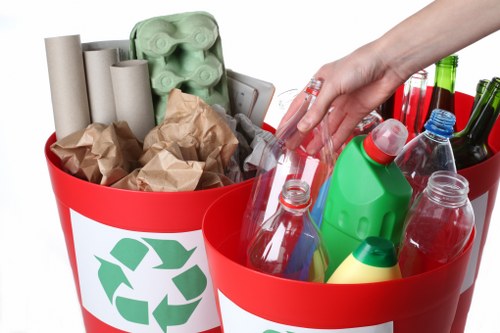
Waste segregation and contamination control are also important. Different waste types should be kept separate where required, and hazardous or unidentified materials must never be handled casually. Staff should know how to respond to sharp objects, broken glass, needles, chemicals, and potentially infectious waste. Any spill, leak, or contamination event must be reported immediately and cleaned using approved procedures. Good hygiene, including handwashing and not eating in contaminated areas, helps prevent illness.
When working in public or shared spaces, staff must remain alert to changing conditions. Uneven surfaces, low lighting, obstructed paths, pets, children, and traffic can all increase the risk of incidents.  Collection points should be approached carefully, and workers must not place themselves in danger to meet schedules. If access is unsafe, the task should be paused until the hazard is controlled or a safer method is agreed.
Emergency preparedness forms part of safe rubbish collection practice. Workers should know how to respond to injuries, vehicle incidents, fire, spills, and exposure to hazardous substances. First aid arrangements must be available, and incidents should be recorded and investigated to prevent recurrence. Near misses are important warning signs and should be treated seriously, even when no harm has occurred.
Fatigue management is equally important. Collection work can be physically demanding and time-pressured, so staff should have appropriate rest breaks and workloads that remain manageable. Managers should watch for signs of tiredness, dehydration, stress, or reduced concentration. Well-planned rubbish removal helps reduce rushing, which is a common cause of accidents and poor decisions.
 This policy applies to all employees, supervisors, contractors, and anyone involved in rubbish collection activities. Compliance is mandatory, and failure to follow these standards may lead to further action. By maintaining a culture of care, awareness, and accountability, the organisation can deliver reliable waste collection while protecting people, property, and the environment.