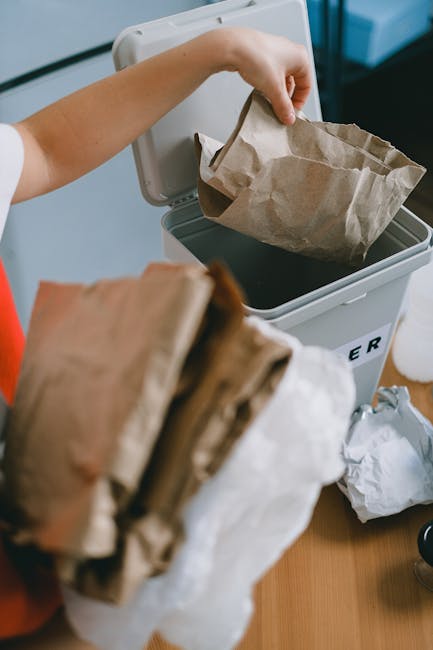
Garden green waste clearance tips for rubbish collection

If your garden has gone from tidy patch to leafy chaos after a weekend of cutting back hedges, mowing the lawn, or pulling out old plants, you are not alone. Garden green waste clearance tips for rubbish collection can save you time, reduce mess, and make the whole job feel far less daunting. The trick is not just getting rid of garden waste fast, but doing it in a way that is clean, practical, and ready for collection without awkward surprises at the kerb.
Whether you are dealing with grass cuttings, branches, hedge trimmings, weeds, dead plants, or a full seasonal clear-out, a bit of planning goes a long way. In this guide, we will cover how garden green waste clearance works, what to separate, what to avoid, and how to prepare everything so collection is smooth. Simple enough, really - but there are a few details that make all the difference.
Why Garden green waste clearance tips for rubbish collection Matters
Garden waste looks harmless until it starts taking over. A few bags of grass cuttings can become a damp, smelly pile in no time, especially after a wet British week when everything seems to stay soggy forever. If green waste is left out incorrectly, it can attract pests, create slippery paths, and make collection harder than it needs to be. Nobody wants a half-finished garden job and a second trip to the tip on a Saturday morning.
Good clearance tips matter because garden waste is not the same as general rubbish. Fresh plant material, soil, roots, logs, and mixed outdoor waste often need different handling. Put simply, the better you sort it before collection, the less likely you are to face delays, rejected items, or extra work later on. This is especially true if you are booking a professional service or arranging a council collection, where presentation and separation can make a real difference.
There is also a broader sustainability angle. Cleanly separated green waste is much easier to recycle or compost than mixed rubbish. That means less going to landfill and more being turned into useful material. If you care about tidiness and the environment, which most people do, the two goals are actually aligned.
Expert summary: The best garden green waste clearance is not about brute force. It is about sorting, containing, and presenting waste so it can be collected efficiently and handled responsibly. A calm hour of prep now can save a messy afternoon later.
How Garden green waste clearance tips for rubbish collection Works
At its simplest, garden green waste collection works by separating organic garden material from other types of rubbish, then preparing it in a way that a collector can remove safely and efficiently. Depending on the service you use, that might mean placing it in sacks, bundling branches, stacking cuttings neatly, or leaving it in a designated area for pickup.
Most services expect the green waste to be:
- easy to access
- free from contamination like plastic or rubble
- reasonably manageable in size and weight
- sorted into the right type of load
In practice, this might mean trimming long branches down, shaking excess soil from roots, and keeping lawn clippings separate from soil and stones. A pile of hedge trimmings is very different from a bucket full of wet earth. They may both come from the garden, but they are not treated the same way.
If you are using a direct rubbish collection service, the team may assess the waste on arrival and load it according to type and volume. If you are arranging a council-style collection, the rules can be stricter, and items may need to be presented in a specific format or left by a certain time. Either way, presentation matters. More than people expect, actually.
For mixed clear-outs, it helps to think in layers: what is truly green waste, what is bulky but recyclable, and what belongs in ordinary rubbish. That little sorting step is what turns a stressful job into a tidy handover.
Key Benefits and Practical Advantages
There are a few obvious benefits to doing garden green waste clearance properly, but some of the best ones are surprisingly practical.
- Less mess around the property: Neatly contained waste is easier to move and less likely to scatter in the wind.
- Faster collection: A well-prepared pile or bagged load can be removed without the team stopping to sort through it.
- Better recycling outcomes: Clean green waste is more suitable for composting and processing.
- Lower risk of rejected items: Mixed materials are one of the main reasons loads get refused or left behind.
- Safer handling: Cut branches, hidden nails, broken pots, and sharp tools can create avoidable injury risks.
- More useful space: Once the waste is gone, the garden feels instantly calmer. You notice the space again.
There is also a small but real emotional benefit. Clearing green waste gives the garden a reset. You can actually hear the difference sometimes - less rustle underfoot, less crunch of dead leaves, less that vague feeling of "I really should deal with this." It is a straightforward job, but it can lift the whole space.
If you are preparing for a larger outdoor project, garden waste clearance also creates a cleaner starting point. Whether you are replanting borders, paving part of the garden, or simply trying to get control of an overgrown corner, a proper waste plan keeps the whole project moving.
Who This Is For and When It Makes Sense
This kind of clearance is useful for more people than you might think. It is not only for huge gardens or major landscaping jobs. In fact, the need often comes up after routine maintenance.
You may benefit from garden green waste collection if you are:
- tidying up after lawn mowing, hedge cutting, or pruning
- clearing an overgrown front or back garden
- removing weeds, roots, and dead plants after seasonal changes
- preparing a property for sale, rental, or inspection
- dealing with waste after landscaping or planting work
- helping a family member, landlord, or tenant clear an outdoor space
It also makes sense if you do not have a vehicle large enough to take green waste to a facility yourself. Let's face it, trying to fit a stack of damp branches into a small car is not the most elegant Saturday plan. If the waste is too heavy, too bulky, or just too awkward, collection becomes the sensible option.
For city gardens, shared access properties, and homes with narrow paths or basement steps, a proper rubbish collection service can save a lot of hassle. The same is true if you are working to a deadline and need the space cleared quickly. Sometimes convenience is the deciding factor, and that is perfectly reasonable.
Step-by-Step Guidance
Here is a practical way to handle green waste so collection day goes smoothly.
1. Separate garden waste from other rubbish
Start by splitting green waste from general household rubbish, old furniture, broken garden tools, plastic plant pots, and soil-heavy rubble. This is the most important step. If you mix everything together, you make the load harder to process and more likely to be refused.
2. Remove obvious contaminants
Pick out string, plastic ties, broken bits of hose, metal stakes, and any packaging. Soil clods, stones, and general debris can also turn a light green waste load into a heavy, messy one. A quick shake or brush can help, though no one expects perfection.
3. Cut oversized branches down to size
Long branches can be awkward to carry and may not fit neatly into the vehicle or container. Trim them into more manageable lengths. Tie small bundles with natural twine if needed, but avoid wrapping them so tightly that they become impossible to sort later.
4. Bag or bundle the waste sensibly
Use strong bags if the waste is leafy, wet, or small enough to contain safely. For twiggy material, bundles are often easier. Do not overfill bags, because damp grass can get unexpectedly heavy. A bag that looks fine in the shed can feel twice as heavy when lifted. Ask anyone who has done three trips in a row.
5. Keep access clear
Collections go much better when the team can reach the waste without navigating bikes, plant pots, bins, and the dog's favourite muddy patch. Leave a clear path from the collection point to the vehicle access point if possible.
6. Check timing and placement rules
If your collection has a scheduled time, put the waste out according to the instructions. If it needs to be left at a kerbside point, make sure it is visible, not blocking pedestrians, and protected from spreading in the wind. On a breezy day, loose leaves have a habit of escaping the second your back is turned.
7. Confirm what will and will not be taken
Before collection, check whether the service accepts soil, turf, tree stumps, treated timber, plant pots, and mixed garden debris. These items are often handled differently. A quick check saves awkward surprises and keeps the process efficient.
Expert Tips for Better Results
These are the little things that make a big difference.
- Cut wet grass last: If you are clearing the garden yourself, leave lawn mowing until near the end so clippings do not sit around and turn slimy.
- Use a tarp for moving waste: A tarp or sheet can make it much easier to drag leafy waste across the garden without leaving a trail behind you.
- Keep different waste types separate from the start: Once a pile gets mixed, sorting becomes ten times more annoying. Sometimes more.
- Watch the weather: If rain is due, cover the pile loosely or move it under shelter if practical. Wet waste is heavier and messier.
- Think in zones: One corner for cuttings, one for branches, one for reusable pots or tools. It sounds fussy, but it keeps the job under control.
- Take photos before booking: If you are unsure about volume, a quick photo can help you judge how much help you need and avoid underestimating the load.
A useful rule of thumb: the cleaner and more clearly sorted the waste is, the smoother the collection. It is one of those jobs where being slightly too organised never really hurts.
And if you are working with a larger outdoor clear-out, combine your garden waste plan with broader rubbish clearance. That way, you are not doing one job twice. Nobody has time for that.
Common Mistakes to Avoid
Most issues with garden waste collection come from a few predictable mistakes. Once you know them, they are easy enough to dodge.
- Mixing green waste with general rubbish: Plastic bags, packaging, food waste, and soil-heavy debris can complicate collection.
- Overfilling bags: Heavy bags tear, are awkward to lift, and can slow down collection.
- Leaving sharp items hidden inside the pile: Broken shears, nails, and glass are genuine safety risks.
- Assuming all outdoor waste is the same: Branches, turf, logs, and soil may be treated differently.
- Blocking access: If a team cannot get to the waste, they cannot take it efficiently. Simple as that.
- Ignoring local collection instructions: Even small differences in presentation can matter, especially for council-related services.
One of the sneakiest problems is soil. A few handfuls are usually fine in context, but large amounts can change the character of the load entirely. If your garden project involves digging out beds, lifting turf, or clearing a border full of roots, plan for that separately rather than assuming it counts as ordinary green waste.
Another common one: people leave waste out too early and it gets spread around by wind, rain, or passing traffic. It looks neat at 8am and a bit tragic by lunchtime. Best to time it well.
Tools, Resources and Recommendations
You do not need a huge toolkit to prepare garden waste properly, but a few basics make the job easier.
- Heavy-duty garden sacks: Good for leaves, small cuttings, and lighter green waste.
- Secateurs and loppers: Useful for trimming branches into manageable lengths.
- Tarpaulin or builder's sheet: Handy for dragging waste and protecting paths.
- Work gloves: Essential if you are dealing with thorny stems, broken canes, or damp debris.
- Rake or garden fork: Helps gather loose material and remove soil from roots.
- Wheelbarrow or garden trolley: Especially useful for heavier loads or larger gardens.
For broader waste needs, it can also help to compare services that cover household and outdoor clearances. If you are clearing a shed, garage, or whole property alongside the garden, a more general service such as garden clearance, garden waste clearance, or even rubbish collection may be more efficient than trying to split everything into several separate jobs.
If you are planning a bigger clean-up beyond the garden, pages like waste clearance and waste removal can be useful to understand the wider service approach. And if the project is substantial, it may be worth looking at bulk waste collection for larger mixed loads.
The right choice depends on how much waste you have, what it contains, and how quickly you need it gone. No magic formula, just sensible matching of job to service.
Law, Compliance, Standards, or Best Practice
Garden waste collection often sounds simple, but there are still standards and responsibilities to keep in mind. In the UK, garden waste should generally be handled in a way that avoids nuisance, contamination, and unsafe lifting or loading. If you are using a professional collection service, best practice is to follow their sorting and presentation rules carefully.
For homeowners and tenants, the main practical point is this: do not mix garden waste with materials that need specialist handling. Treated wood, electrical items, sharp metal, soil in large quantities, and anything potentially hazardous should be separated and handled appropriately. If you are unsure whether something belongs in the green waste pile, pause and check before adding it. That small pause can save a headache.
There are also general safety expectations. Waste should be placed where it will not block paths, trip pedestrians, or create unstable stacks. If you are lifting heavy bags or branches, use safe manual handling techniques. Bend your knees, not your back - yes, the old advice still matters. Repetitive strain is not fun, and there is no medal for carrying too much in one go.
For anyone dealing with commercial outdoor spaces, communal grounds, or regular clear-outs, additional duty-of-care considerations may apply. It is sensible to use a service with clear policies on health and safety, insurance, and responsible disposal. If you want to understand how a provider approaches those basics, review health and safety policy, insurance and safety, and recycling and sustainability.
Best practice is not about being overcautious. It is about making the collection safe, lawful, and straightforward for everyone involved.
Options, Methods, or Comparison Table
There are a few ways to deal with garden green waste. The best one depends on volume, timing, access, and how much effort you want to spend. Here is a practical comparison.
| Method | Best for | Advantages | Limitations |
|---|---|---|---|
| Bagging for collection | Small to medium garden waste | Neat, easy to present, simple for lighter cuttings | Can be time-consuming if waste is bulky or wet |
| Bundling branches | Hedges, twigs, prunings | Keeps woody waste tidy and easier to move | Not ideal for very leafy or mixed waste |
| Professional rubbish collection | Mixed or heavy garden loads | Convenient, quick, less lifting for you | Usually depends on access and load type |
| Council collection | Smaller eligible loads | Useful where available and suitable | Often stricter on presentation and timing |
| Composting on site | Regular grass, leaves, soft cuttings | Eco-friendly, reduces waste, good for the garden | Not suitable for all materials or all households |
In many cases, the best answer is a hybrid one. Compost what you can, clear what you cannot, and arrange collection for the rest. That balanced approach usually keeps costs and effort under control.
Case Study or Real-World Example
Here is a realistic example. A homeowner in a terrace property has spent a weekend cutting back an overgrown hedge, mowing the lawn, and clearing out a corner bed that had become a tangle of old stems and weeds. By Sunday afternoon, there is a mix of leafy cuttings, a few thicker branches, and a couple of broken plastic pots that were hidden in the border.
At first glance, the pile looks manageable. But once it is all tipped into one heap, the branches poke out awkwardly and the bags start to sag. Instead of leaving everything mixed, the better approach is to split it into three groups: leafy green waste in sacks, woody trimmings bundled separately, and non-organic items kept aside. The result is cleaner, lighter, and easier to collect.
When the collection team arrives, the garden path is clear, the waste is easy to assess, and the removal is done quickly. No backtracking, no digging through a mixed mound, no surprises. A very ordinary example, really - but it shows the point. Preparation turns a messy job into a smooth one.
That same idea applies to larger clear-outs too. In our experience, the people who spend ten minutes sorting at the beginning usually save themselves a lot more time by the end. Every single time? Not quite. But almost.
Practical Checklist
Use this checklist before collection day. It keeps the process calm and reduces the chance of anything being left behind.
- Separate green waste from general rubbish
- Remove plastic, metal, glass, and packaging
- Cut long branches into manageable pieces
- Shake off excess soil where practical
- Use strong bags or neat bundles
- Do not overfill sacks
- Keep access routes clear
- Check what items the service accepts
- Place waste out at the agreed time
- Keep pets, children, and sharp tools away from the load
- Review whether any items need separate handling
- Confirm contact details in case access instructions change
Quick reminder: If a garden pile looks tidy but contains mixed materials, it is still a mixed load. The visible neatness helps, but sorting still matters.
If you want the collection to feel effortless, aim for three things: clear separation, easy access, and sensible packing. That combination handles most situations well.
Get a free quote today and see how much you can save.
Conclusion
Garden green waste clearance does not have to be complicated. Once you separate the waste, remove contaminants, and prepare it in a sensible format, rubbish collection becomes much easier and far less stressful. The real win is not just getting rid of the waste. It is clearing the space properly so your garden feels usable again.
For small tidy-ups, a few well-packed bags may be enough. For bigger jobs, a professional collection service can save time, lifting, and the usual Saturday faff. Either way, the same principles apply: sort well, pack carefully, and keep access simple.
Do that, and you will usually find the whole job feels lighter than expected. Not glamorous, but satisfying. And sometimes that is exactly what a garden needs.
Frequently Asked Questions
What counts as garden green waste for rubbish collection?
Garden green waste usually includes grass cuttings, leaves, hedge trimmings, weeds, flowers, small branches, and plant material. In some cases, soft garden debris such as dead plants and light pruning waste is included too. Soil, rubble, treated wood, and general household rubbish are often handled separately.
Can I put soil in with green waste?
Small amounts of soil may sometimes be accepted depending on the service, but large quantities usually need separate handling. Soil can make a load much heavier and change how it is processed, so it is best to check before mixing it in.
Do I need to bag garden waste before collection?
Not always, but bagging helps keep lighter waste tidy and easier to remove. Some services accept loose waste, while others prefer bags or bundles. The key is to follow the collection instructions and avoid overfilling anything.
What should I do with branches and thicker prunings?
Cut them into manageable lengths and bundle them if possible. Thicker woody waste is often easier to handle when it is grouped neatly rather than left in a loose pile. If the branches are very large, a different collection method may be more suitable.
Can green waste be collected with other rubbish?
Sometimes yes, but it depends on the service. Mixed loads are common in house clear-outs, yet separating green waste where possible usually makes collection easier and may improve recycling outcomes. It is often the tidiest option.
How should I store garden waste before collection day?
Keep it in a dry, accessible place if possible, ideally on a hard surface or tarp. If rain is expected, cover it loosely or move it under shelter. That helps reduce smell, mess, and extra weight from soaked material.
Is it better to compost garden waste or book rubbish collection?
If the waste is suitable for composting and you have space, composting is often a good option. If the load is too large, too mixed, or too awkward, rubbish collection is usually the more practical route. A lot of people use both approaches.
What are the most common reasons garden waste gets rejected?
Common reasons include contamination with plastic or metal, overfilled bags, excessive soil, mixed rubbish, or items that are too large or heavy to handle safely. Presentation matters more than people think.
How can I make green waste collection cheaper or easier?
Separate materials before booking, reduce volume by cutting branches down, and avoid mixing garden waste with general rubbish. Clear access also saves time. The more organised the load, the easier it is to collect efficiently.
What if I have a large amount of garden waste after landscaping?
For major jobs, a bulk or broader waste collection service may be better than trying to dispose of everything in small batches. Large landscaping clear-outs often include a mix of green waste, soil, packaging, and broken materials, so planning the collection properly makes a big difference.
Can council collections handle garden green waste?
Sometimes they can, but rules vary and collections often have limits on what can be included, how it must be presented, and when it can be left out. Check the local collection requirements carefully before assuming everything will be taken.
What is the best way to avoid a messy garden collection day?
Prepare the waste the day before if you can, keep everything separated, and leave a clear route for collection. A tidy setup reduces stress and helps the job go smoothly. It is a small bit of planning that pays off fast.