020 3409 4688
 020 3409 4688

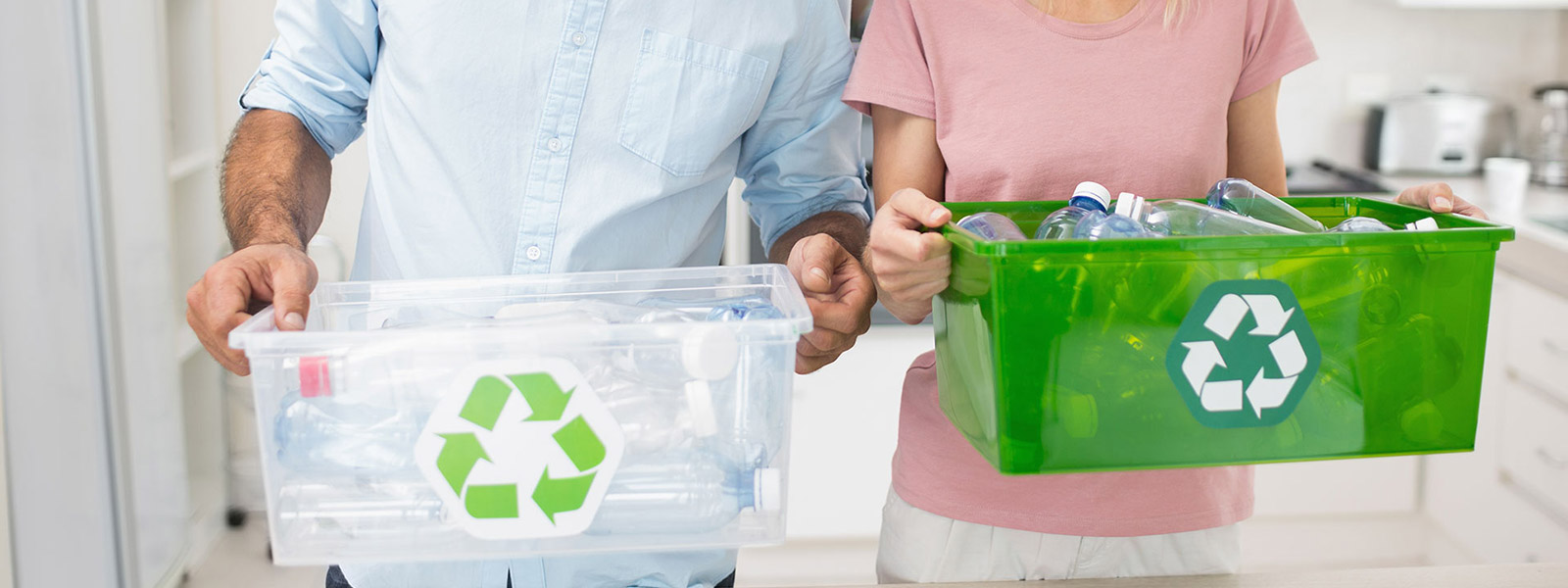


How to prepare items for safe rubbish collection pickup
Posted on 13/08/2026

If you have ever stood by the window at collection time wondering whether your bags, boxes, or bulky bits are ready, you are not alone. Preparing waste properly sounds simple, but the difference between a smooth pickup and a messy one can be surprisingly big. In practice, how to prepare items for safe rubbish collection pickup comes down to a few sensible habits: sort what you have, keep hazardous items apart, package things securely, and make collection easy for the crew.
This guide walks you through the whole process in plain English. You will learn what matters, what to avoid, and how to make rubbish collection safer for everyone in the chain - from your front step to the vehicle loading bay. A bit of prep now can save a lot of hassle later. Honestly, it often does.
Why safe preparation matters
Rubbish collection is not just about putting something outside and hoping for the best. Items that are poorly packed, mixed up, or left in awkward places can create avoidable risks. Bags can split. Glass can break. Sharp edges can cut through cardboard. A leaking container can stain paving or the inside of a vehicle. That sort of thing is frustrating for everyone, and in some cases it can be dangerous.
Safe preparation matters because it helps protect:
- You and your household, especially if children, pets, or older relatives move around the area.
- Collection crews, who need to lift and handle items quickly without surprise hazards.
- Your property, which can be damaged by spills, broken items, or heavy objects dragged across floors.
- Sorting and recycling systems, because mixed waste is harder to process properly.
There is also a practical side. A neatly prepared pile is more likely to be collected on time and with fewer questions. If a load is easy to identify and access, things simply move faster. That matters whether you are clearing out a flat, handling garden waste, or dealing with a larger house clearance.
Expert summary: The safest rubbish collection is usually the one that looks a little boring. Cleanly sorted, wrapped where needed, clearly separated, and easy to lift. Not glamorous, but very effective.
If you are tackling a bigger declutter, it can help to think about the wider picture too. Articles like the stress-reducing benefits of decluttering and keeping clutter at bay with long-term organisation are useful companions when the job feels bigger than a single pickup.
How rubbish collection preparation works
The process is not complicated, but it does work best when you handle it in a logical order. Think of it as moving from what do I have? to how should it be packed? to where should it go?
Most safe preparation follows five stages:
- Identify the waste type. Separate general rubbish, recyclable items, bulky pieces, and anything potentially hazardous.
- Check what can be collected. Some services can handle mixed household waste, while others are stricter about certain materials or item sizes.
- Make items safe to handle. Seal, tape, tie, drain, or wrap items so they do not leak, fall apart, or expose sharp edges.
- Create a clear collection area. Leave the waste in an accessible spot that does not block doors, paths, or driveways.
- Keep restricted items separate. Batteries, chemicals, pressurised containers, and similar materials often need special handling.
In real life, the preparation stage is where people save time. A sofa removed from a cluttered hallway is a nuisance; a sofa placed ready at the front of the property is a straightforward job. A stack of cardboard tied neatly is simpler than loose sheets blowing into the street on a breezy Tuesday morning. You get the idea.
For larger or mixed loads, it can help to compare your options. If the job is beyond a simple household tidy-up, you may want to read about waste removal options or broader effective waste clearance services before deciding how to organise the pickup.
Key benefits and practical advantages
Preparing items properly is not just about avoiding problems. It actively improves the whole experience. A bit of planning now often means less stress, less mess, and fewer unexpected delays later on.
| Benefit | Why it helps | What it looks like in practice |
|---|---|---|
| Faster collection | Items are easier to see, lift, and sort | Loose waste is bundled and bulky pieces are placed accessibly |
| Lower safety risk | Sharp, heavy, or unstable items are contained | Glass is boxed, blades are covered, liquids are sealed |
| Cleaner surroundings | Less chance of spills or debris | Cardboard is flattened, bags are tied, rubbish is kept off the pavement |
| Better recycling outcomes | Materials are easier to separate correctly | Metals, cardboard, plastics, and general waste are split before pickup |
| Fewer collection issues | Crews are less likely to reject or delay the load | Nothing obvious is hidden inside unsafe packaging |
There is a quieter benefit too: peace of mind. Once everything is sorted and ready, the job feels manageable. That moment matters. It turns a vague, nagging mess into a clear plan. Funny how often that alone makes a house feel lighter.
For households trying to reduce what goes out in the first place, the article on steps to reduce household waste pairs well with this topic. Less waste created means less waste to prepare, which is the ideal, really.
Who this is for and when it makes sense
This advice is useful for a lot more people than you might expect. It is not just for major clear-outs or complicated collections. In practice, safe preparation matters any time waste is leaving your property.
- Households clearing out bin bags, old furniture, broken household goods, or renovation leftovers.
- Landlords and letting agents preparing a property between tenancies.
- Businesses handling office waste, packaging, old equipment, or storage-room clutter.
- Trades and builders dealing with site rubbish, offcuts, or bulky debris.
- Garden owners managing hedge cuttings, plant pots, broken furniture, and outdoor clutter.
It also makes sense whenever the waste includes awkward items. Think of a cracked mirror, a bag with mixed sharp bits, an old charger tangled with cables, or a box of jars and broken crockery. These are the items that catch people out. They look harmless until they split, leak, or get dropped.
If you are dealing with larger volumes, the topic of bulky waste disposal is worth a look. And for households balancing frequent clear-outs, eco-friendly strategies to minimise household waste can help reduce how often you need a pickup at all.
Step-by-step guidance
Here is the practical part. If you want a repeatable method, follow these steps. Not fancy. Just effective.
1. Sort everything into clear categories
Start by separating waste into general rubbish, recycling, bulky items, and anything hazardous or special-handling. Do not leave this until the end. If you do, you will end up with a random pile that is hard to manage.
A quick sort might include:
- General waste: food-contaminated packaging, broken mixed-material items, and non-recyclable rubbish.
- Recyclables: cardboard, paper, clean plastics, metals, glass where accepted.
- Bulky items: furniture, mattresses, wardrobes, old appliances, large garden objects.
- Special waste: batteries, paint, chemicals, oils, fluorescent tubes, sharp objects.
2. Empty and clean items where possible
Rinsing out containers and removing food residue can make a real difference. It reduces smells, leaks, and pests. Nobody wants to open a bag and find something that has been quietly warming in the hallway for two days. Let's face it, that is a job nobody remembers fondly.
This is especially useful for packaging. If you are separating cardboard and mixed packaging, the guidance in eco-friendly approaches to packaging and cardboard waste can be handy for deciding what should stay clean, flattened, or bundled.
3. Protect sharp, fragile, or messy items
Anything that could break or cut should be wrapped or boxed securely. Use strong tape, thick cardboard, or sturdy containers. For broken glass, crockery, mirrors, or ceramics, place the fragments in a box and label it mentally as "careful lift" even if nobody else will see it. It sounds small, but it helps.
For blades, tools, or metal offcuts, cover the sharp ends before placing them out. For leaking liquids, make sure lids are tight and containers are upright. If they are not leak-proof, they should not be set out as if they are.
4. Flatten and bundle light materials
Cardboard, soft plastics, and similar lightweight materials should usually be flattened or tied into manageable bundles. Loose packaging spreads fast in wind and rain. A calm pile can become a neighbourhood nuisance in ten seconds flat.
If you are trying to cut down plastic waste in general, the advice in practical steps to slash your plastic waste is a useful side read. It helps you spot the items worth separating before collection day arrives.
5. Keep restricted items separate
This is the bit people most often miss. Items such as batteries, paint tins, solvents, gas canisters, and similar materials may require special treatment. Do not hide them inside normal rubbish. Do not assume they are "probably fine". If something feels questionable, treat it as separate until you have confirmed it can go with the rest.
For a clearer understanding of the category, see what should be considered hazardous. It is a practical read for anyone sorting odd or risky items.
6. Move items to the correct collection point
Place the prepared waste where it can be collected without forcing anyone to navigate stairs, narrow hallways, locked gates, or parked cars. If you have a driveway, use it. If you are in a flat, agree on the best access point in advance if possible.
The collection point should be neat, visible, and safe. No trip hazards. No hidden nails. No random clutter disguised as "just one last thing". We have all done it, but it rarely helps.
7. Do a final safety check
Walk past the load once more before pickup time. Ask yourself: could this tip, leak, split, or catch someone out? If yes, fix it. A quick final check often catches the small stuff that causes the bigger problems.
Expert tips for better results
Once you have the basics in place, a few small habits will make the process smoother every time. These are the details people often learn the hard way.
- Label mentally, even if not physically. Keep a clear inner map of what is in each bag or box so you do not accidentally mix something unsafe in later.
- Use the heaviest items first when staging. Put heavy, stable objects at the back or bottom so lighter materials do not get crushed.
- Break the job into 20-minute chunks. A full clear-out can feel overwhelming, but small sessions work better than one long, weary slog.
- Keep a "do not collect" area. Put restricted items somewhere separate so nobody accidentally adds them to a normal pile.
- Think about smell and weather. In warm weather, food waste and damp packaging become unpleasant quickly. In rain, cardboard and soft materials become heavy and awkward.
For kitchen-related rubbish in particular, especially pans, tins, and mixed utensils, the article on kitchen waste, pot and pan disposal tips offers useful context. It is one of those areas where a little item can become a little hassle if you do not prep it properly.
And if you are clearing a garden at the same time, the advice on sustainable plant pot disposal methods can help you handle broken pots and garden plastics with less guesswork.
Common mistakes to avoid
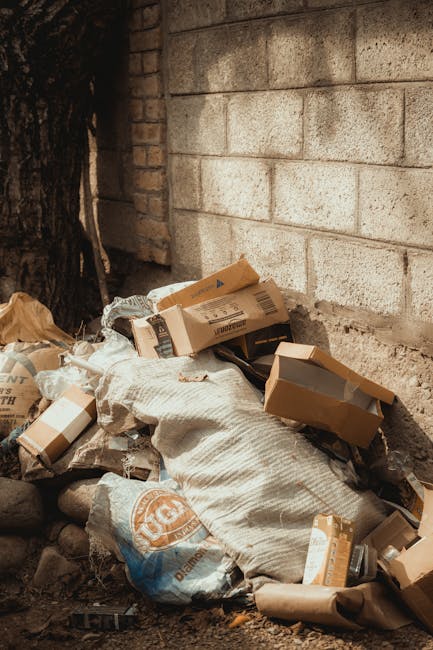
Most problems on collection day are not dramatic. They are small, preventable things. That is actually good news, because small things are easier to fix.
- Mixing hazardous items with general waste. This is the biggest one. If in doubt, keep it separate.
- Overfilling bags. Heavy, overstuffed bags split at the worst time - usually when someone is lifting them.
- Leaving loose glass or sharp metal exposed. Even a small shard can cause an injury.
- Blocking access. A pile placed behind a car or behind a locked gate can slow everything down.
- Forgetting about weather. Wet cardboard is heavier, messier, and more likely to collapse.
- Assuming every item can be collected the same way. Some items simply need different handling, and trying to force them into the wrong stream is where things go sideways.
It is also worth avoiding the "I'll sort it later" habit. Later has a way of becoming tomorrow, then next week, then never. A little blunt, perhaps, but true.
If your rubbish is part of a larger clear-out, you may also find clutter removal and hoarder clean-up guidance useful for handling heavier emotional or logistical jobs without making the space feel even more chaotic.
Tools, resources and recommendations
You do not need a warehouse of equipment to prepare rubbish safely. A few sensible tools will cover most situations.
- Heavy-duty sacks for general rubbish and light mixed waste.
- Strong tape for sealing boxes, wrapping edges, and securing loose ends.
- Marker pen for noting fragile or sharp contents on the outside of boxes where helpful.
- Gloves for handling broken or dirty items.
- Boxes and crates for glass, crockery, and other breakables.
- Basic cleaning cloths to wipe down leaking containers or dusty items before staging.
- Wheelie bins or staging tubs if you need to keep mixed items organised before pickup.
For workspaces, you may want to think about waste preparation a little differently. Office loads often contain paper, packaging, cables, and old equipment all tangled together. The guidance on cutting down office waste and workplace recycling can help you organise items so they are easier to remove safely.
For homes trying to make day-to-day disposal simpler, practical home recycling suggestions is a solid next step. It is especially useful if you keep finding yourself with mixed bags that need too much re-sorting.
Law, compliance, standards, or best practice
When rubbish collection involves private property, multiple occupiers, commercial waste, or potentially hazardous items, a cautious and responsible approach is always best. The exact rules can vary by council area, property type, and waste stream, so it is wise not to guess.
In the UK, the safest practical approach is to follow the collection instructions provided by your local service or waste contractor, keep restricted items apart, and make sure the person removing waste is allowed to take it. If you are dealing with trade waste, electricals, or materials that may be hazardous, treat them separately until you have clear guidance. That is the sensible route, even if it means a little extra effort.
There is also a common best-practice principle: do not set out anything that could injure someone or contaminate a load. Sharp objects should be protected. Liquids should be sealed. Heavier items should be stable and not likely to shift. If you are unsure whether something is acceptable, err on the side of caution.
For builders and contractors, the standards are usually even stricter in practice. Loads need to be sorted with care, particularly where the waste may include plasterboard, timber, metals, packaging, or site offcuts. If you are working on a larger project, builders' skips on construction sites is useful background. And if the project is large enough to justify a skip, what to do and what to avoid with skip hire helps prevent the classic mistakes that turn a neat plan into a headache.
Options, methods, or comparison table
There is more than one way to prepare items for collection. The right method depends on what you are getting rid of, how much there is, and how sensitive or awkward the items are.
| Preparation method | Best for | Advantages | Watch out for |
|---|---|---|---|
| Bag and bundle | General household waste, packaging, light mixed rubbish | Fast, simple, easy to stage | Do not overload bags or leave sharp objects exposed |
| Box and protect | Glass, crockery, small breakables, tools | Safer handling and less breakage | Boxes need to be sturdy and clearly sealed |
| Separate and label mentally | Mixed loads with special items | Reduces contamination and confusion | Needs discipline so restricted items stay separate |
| Flatten and tie | Cardboard, light packaging, soft recyclables | Saves space and reduces wind-blown mess | Contaminated cardboard may not be suitable for recycling |
| Stage by category | House clear-outs, garden waste, office clearances | Speeds pickup and keeps access clear | Needs enough space and a clear route to the collection point |
For many homes, a mixed approach works best. For example: heavy books in boxes, cardboard flattened and tied, sharp items wrapped, and general waste bagged. Simple, but effective. Almost elegant, in its own slightly grubby way.
Case study or real-world example
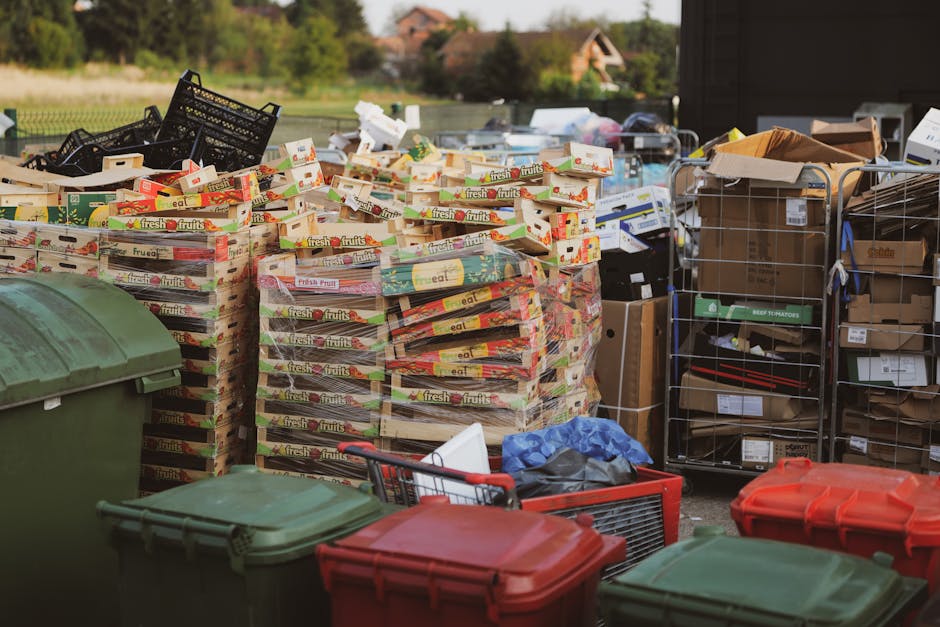
A typical example: a small terraced house near a busy road needs a household rubbish pickup after a kitchen refresh and a long overdue loft clear-out. The homeowners have a few broken chairs, a stack of cardboard boxes, old cookware, one leaking cleaning bottle, and a bag of general clutter from the loft. At first glance, it looks like a single pile of chaos.
They sort the load into categories. Cardboard is flattened and tied. Broken kitchen items are boxed so nobody steps on shards. The leaking bottle is sealed inside a separate container and kept away from everything else. The chairs are placed near the gate, ready to lift without going through the house again. The loose clutter from the loft is bagged in smaller, manageable sacks rather than one giant overstuffed one. That last part matters more than people think.
By the time collection day arrives, the area is neat, the route is clear, and nothing smells odd in the hallway. The job still takes effort, but it feels under control. The family is not left apologising to the crew or making emergency decisions on the pavement. And truth be told, that calm feeling is often what people remember most.
If you are looking to reduce the amount of future clutter after a job like that, the topic of minimalist living can be surprisingly helpful. It is not about living with nothing. It is about making sure the things you keep are actually useful.
Practical checklist
Use this checklist before collection day. It keeps the process simple.
- Sorted waste into general, recyclable, bulky, and special items.
- Removed obvious hazardous materials from the main pile.
- Wrapped or boxed sharp and fragile items.
- Flattened cardboard and tied light materials.
- Ensured bags are not overfilled or split.
- Checked for leaks, smells, or loose debris.
- Created a clear, accessible collection point.
- Kept restricted items safely separate.
- Confirmed bulky items are easy to lift and move.
- Did one final walk-through before pickup.
Quick takeaway: If it looks safe for someone else to lift, sort, and carry without guesswork, you are probably doing it right.
Conclusion
Preparing waste properly is one of those jobs that rewards a little care. It protects people, keeps your property tidy, and makes collection day much less stressful. The core idea is straightforward: sort the waste, secure anything risky, keep access clear, and do not mix items that need special handling.
Whether you are clearing one room, handling garden debris, or managing a bigger property clear-out, these habits make a visible difference. A safe pickup is not just tidier; it is calmer, quicker, and far less likely to go wrong.
If you are planning a clear-out and want a smoother, safer process from start to finish, the best next step is to review your waste type, prepare it carefully, and choose the right collection approach for the job. Small effort now, much easier day later. That is the whole trick, really.
Get a free quote today and see how much you can save.
 House clearance
 Waste Removal
 Here at Rubbish Collection we offer an efficient and affordable house clearance at the best price. We can perform full domestic clearance in London, removing...
 Waste can accumulate quickly and before you know it, it’s everywhere and taking up lots of space. If you would like it professionally removed, hire Rubbish Collection for the...