020 3409 4688
 020 3409 4688



Innovative School Projects Centered Around Recycling
Posted on 08/10/2025
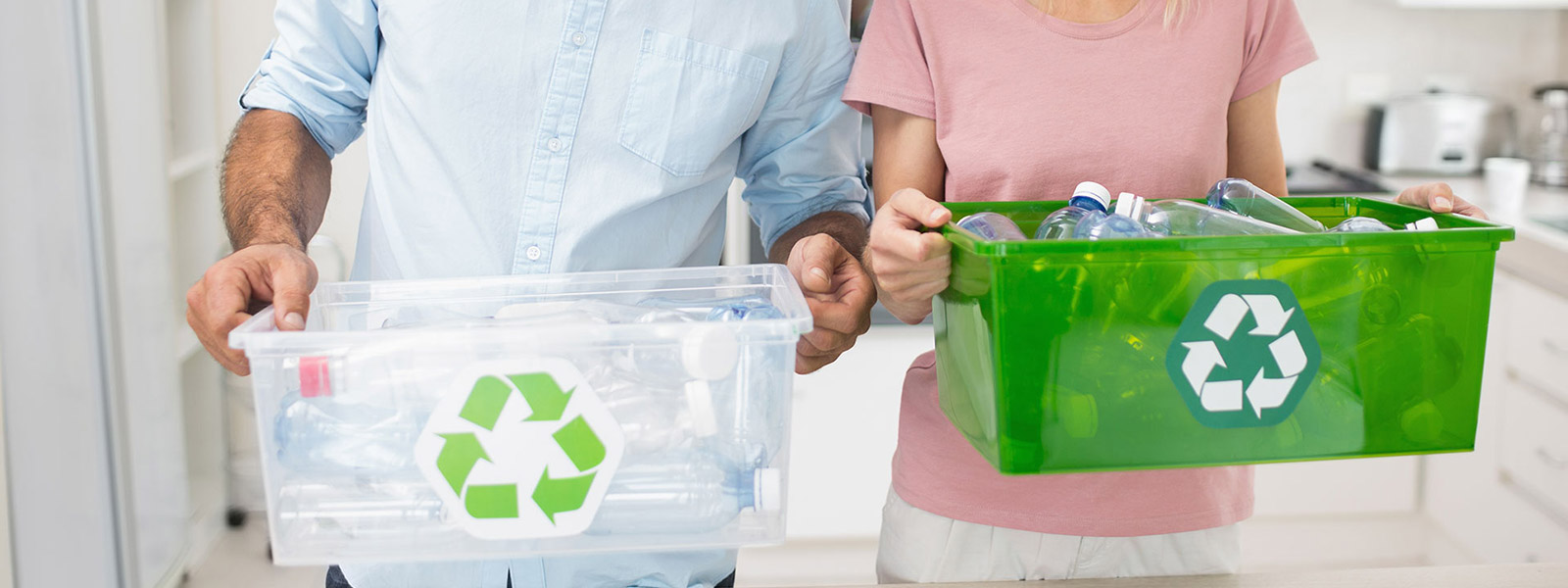
In an era where environmental responsibility has become more important than ever, schools play a vital role in shaping the mindset of future generations. Innovative school projects centered around recycling not only educate students about sustainable living, but also empower them to make a tangible impact in their communities. This comprehensive guide explores a variety of creative recycling projects for schools, their benefits, implementation tips, and how they integrate with modern curricula. Whether you are a teacher, administrator, or student, you will find actionable ideas to inspire change.
Why Focus on Recycling in School Projects?
Schools serve as foundational centers for environmental education. Integrating recycling initiatives teaches students about conservation, resource management, and eco-friendly habits. By participating in recycling-centered school projects, students:
- Develop environmental stewardship from a young age
- Enhance critical thinking and problem-solving skills
- Practice teamwork and leadership
- See the impact of their actions on their community and the planet
- Gain a hands-on understanding of STEM (Science, Technology, Engineering, Math) principles
Innovative recycling projects also align with modern teaching standards by promoting project-based learning, integrating various subjects, and encouraging student-driven inquiry.

Top Innovative Recycling Projects for Schools
Below are several creative and inspired recycling project ideas that can be adapted for elementary, middle, or high school levels. These ideas range from small group initiatives to schoolwide campaigns.
1. The Upcycled Art Challenge
This popular project challenges students to collect recyclable materials like plastics, paper, or metals and transform them into art installations or functional items. Creative recycling projects like this encourage artistic expression while driving home the importance of waste reduction.
- Divide students into teams and assign each group a specific material (plastic bottles, newspaper, etc.).
- Set design parameters or a theme (e.g., "Ocean Conservation" or "Future Cities").
- Host a gallery walk where other students and staff can view, vote, and discuss each piece.
- Highlight the best innovations on school social media or in newsletters to inspire community involvement.
SEO tip: Incorporate phrases like "school recycling art projects" and "upcycled materials in education".
2. Zero-Waste Classroom Initiatives
Transform a traditional classroom into a zero waste learning space. These projects emphasize every aspect of reducing, reusing, and recycling within the classroom environment:
- Implement labeling systems for recycling and compost bins.
- Monitor waste by having students document weekly waste outputs and brainstorm reduction strategies.
- Create reusable supply kits (fabric pencil bags, refillable water bottles).
- Invite guest speakers from local recycling centers.
Such recycling-based school projects help students gain practical experience in waste reduction, nurturing lifelong sustainable habits.
3. Eco-Entrepreneurship Ventures
Encourage older students to combine recycling with business skills by developing mock companies that create and market products from recycled materials. Examples include:
- Designing wallets from juice pouches or tote bags from old t-shirts
- Creating plant pots from used plastic bottles
- Organizing school "markets" or online pop-up shops to sell their creations
These recycling-centered business projects teach entrepreneurial thinking, marketing, and budget management, while promoting a green message. For more advanced students, integrate digital marketing strategies and real-world business plans.
4. Campus-Wide Recycling Competitions
Turn recycling into an exciting team competition. Organize events where classes or grade levels compete to recycle the most materials over a specified period. Tips for success:
- Set clear and measurable goals (by weight or volume).
- Track and display results on a public scoreboard.
- Reward winning teams with eco-friendly prizes (water bottles, plants, etc.).
Competitions foster friendly rivalry and community spirit, helping boost school-wide participation in recycling efforts.
5. Recycling in STEM: Engineering and Science Experiments
Blend recycling with STEM education by challenging students to design machines or experiments that recycle waste efficiently. Project ideas:
- Build simple paper shredders or bottle crushers using basic engineering principles.
- Design water filters using sand, gravel, and recycled plastic bottles.
- Study decomposition rates of different materials in a "mini landfill" experiment.
- Collaborate with local recycling facilities for field trips and expert Q&A sessions.
STEM-based recycling projects combine hands-on learning with real-world applications, deepening students' understanding of sustainability science.
6. Digital Recycling Awareness Campaigns
Harness the power of technology to boost recycling awareness in school communities:
- Design infographics or video presentations on the importance of recycling.
- Develop a recycling app prototype to help students find the right bins for different materials.
- Maintain a class blog or social media page tracking progress and sharing educational tips.
Digital campaigns promote environmental literacy and bridge the gap between classroom knowledge and public advocacy.
How to Successfully Implement Recycling Projects in Schools
1. Assess Needs and Opportunities
Begin by surveying the school community--staff, students, and parents--to identify existing recycling habits, resources, and areas for improvement.
2. Build a Dedicated Green Team
Establish a student or staff-led committee to plan, manage, and evaluate innovative recycling initiatives. Involve students from different grade levels for diverse perspectives.
3. Set Clear, Achievable Goals
Define objectives for each project, such as reducing single-use plastics by 50% or collecting 5,000 plastic bottles in a semester. Use SMART goals (Specific, Measurable, Achievable, Relevant, Time-bound) to track progress.
4. Incorporate Community Partnerships
Collaboration with local businesses, municipal recycling programs, and environmental organizations can provide resources, mentorship, and even funding. Invite experts for workshops or conduct field trips to recycling plants.
5. Integrate Projects Into Curriculum
Successful school recycling projects connect with multiple subjects. For instance:
- Science: Investigate decomposition rates, energy savings, or pollution impact.
- Math: Measure and graph recycling statistics.
- Language Arts: Write persuasive essays or news articles about recycling.
- Art: Create murals or sculptures from upcycled materials.
6. Celebrate and Share Achievements
Recognize student efforts with assemblies, certificates, or media coverage. Sharing success inspires other schools and deepens community involvement.
The Benefits of Innovative Recycling Projects for Schools
- Environmental Impact: Directly reduces school waste and pollution.
- Student Engagement: Hands-on projects boost interest and retention of environmental knowledge.
- Skill Development: Students learn critical thinking, collaboration, leadership, and creativity.
- Positive School Culture: Promotes responsibility and strengthens community bonds.
- Future Preparedness: Instills habits and values that benefit students as future global citizens.
Case Studies: Success Stories from Around the World
Finland: Upcycling in Science Education
Finnish schools often run "Trash to Treasure" weeks, where students collect household waste and collaboratively invent new objects with practical uses. These projects are tied directly to physics and biology curricula, deepening both environmental and scientific understanding.
USA: Eco Club Initiatives
Many American schools have student-led Eco Clubs that organize recycling drives, composting programs, and upcycled art installations. Grants and partnerships with local authorities have boosted the reach and impact of these programs.
Asia: Digital Literacy Meets Recycling
A rising trend in Asian schools is integrating coding and app development with recycling education. Students create apps or web platforms that track community recycling and promote local clean-ups.
Involving Parents and the Larger Community
To maximize the impact of school recycling projects, involve parents and local stakeholders. Tips include:
- Host family recycling workshops and competitions.
- Include neighborhood cleanups as part of service-learning.
- Send home guides for creating recycling-friendly households.
A whole-community approach ensures recycling practices extend beyond school walls, embedding them in students' daily lives.
Challenges and Solutions for Recycling Projects in Schools
Even the most inspired recycling projects for schools can encounter obstacles.
- Limited resources: Seek donations of materials or funding from local businesses and environmental NGOs.
- Lack of engagement: Use gamification, team challenges, and public recognition to boost morale.
- Logistical hurdles: Work with custodial staff for better bin placement, and educate students on proper sorting procedures.
- Sustainability: Integrate projects into the yearly curriculum so they become a long-term tradition rather than a one-off event.
Conclusion: Shaping the Next Generation of Environmental Leaders
By implementing innovative school projects centered around recycling, educators not only address important curriculum topics but also instill essential values of responsibility and environmental stewardship. From upcycled art challenges to STEM-based recycling experiments, the possibilities are endless for creative, engaging, and transformative learning experiences.
With proper planning, strong community partnerships, and a culture of celebration and recognition, every school can become a catalyst for change--empowering students to create a more sustainable future, one recycled material at a time.
Ready to launch your school's next innovative recycling project? Gather your green team, set your sights high, and watch as small changes lead to a brighter, cleaner, and more sustainable world.
Latest Posts
Why We Need Effective Waste Clearance Services
Create a Productive Environment by Clearing Out Your Office Successfully
Elevate Your Home Recycling with These Practical Suggestions
 House clearance
 Waste Removal
 Here at Rubbish Collection we offer an efficient and affordable house clearance at the best price. We can perform full domestic clearance in London, removing...
 Waste can accumulate quickly and before you know it, it’s everywhere and taking up lots of space. If you would like it professionally removed, hire Rubbish Collection for the...